
Serengeti in the Maasai local language means the endless plain and the name originates from the savanna plains that defines the land scape of the park. The park is the biggest in the whole of Tanzania divided into four major sectors namely
Kogatende sector: this is located in the northern part of Serengeti on the banks of river mara
Togoro sector: The “Togoro plains” are in the northern part of the Serengeti, halfway between Seronera and Lobo
Seronera sector: the serener sector is in the central of Serengeti
Ndutu sector: the Ndutu sector is found in the southern serengeti
Following the wildebeest migration
These major Serengeti experience is the great wildebeest migration in company with zebras at different times of the year. To have a great experience of Serengeti national park, it is better to know where the wildebeest migration is at, at a particular time of the year and what direction is taking.
We can not authoritatively tell where the wildebeest will be at particular date, but what you need to know is the fact that the migration fall the season of the rain. It usually starts from the southern Serengeti region and end at northern part of the park and circle resume.
The great migration of the wildebeest is the year-round activity but knowing at which stage is the migration is at is the master of the entire experience of Serengeti visiting. Let our expert take you through the different season and which sector will wildebeest migration be at a given season to enable you make an informed decision basing on what your interested to see during your visit.

Ndutu sector (southern sector)
Like all good story, even our story will start with reproduction of the newborn wildebeest. The production of the newborn takes place in the southern sector of the park and at the beginning of the year. This season is popularly known as the calving season. It runs from January to march where over 8,000 newborn wildebeest are produced every day. The season also attracts several hungry big cats to the Ndutu conservation area with intent of the highly vulnerable newborn wildebeest.
It is not the wildebeest that gives birth during this time as even several zebras and big cats give birth around the same time of the year. Therefore, for those interested in seeing the newborns, this is the best time of the year to visit the Serengeti national park and ensure to visit the southern part of the park to have a great experience of the calving season.

the big cats takes an advantage
The big cats of lion, cheetah, and leopard use the opportunity of the massive number of weak and vulnerable newborns to teach their young one how to hunt their meals. This helps the young ones to acquire a valuable experience that they will use through out their life.
During the calving season in Ndutu conservation area, there is higher chances that you will be able to witness the predator-prey interaction due to the presence of high concentration of animals in form both the hunters and the hunted.
Ndutu conservation area is the must go to place during the calving season between January and march and it marks the beginning of the great wildebeest migration that will proceed to the other parts of the park through out the year.
Seronera sector (central Serengeti)
Central Serengeti can be visited throughout the year. However, between April and May, the region experiences in increase in the number of animals as wildebeest embark on their journey and visit the seronera plains in search for the green pasture. The rain of April and May will lead to the gross of new greenery in plain that pulls the wildebeest together with their calves who have started to grow a little stronger to come to this region and enjoy this new green plains.
The migration of the wildebeest and zebra will bring along the big cats that feast on these herbivores. Besides wildebeest and cats, even antelopes will dot the plains of the central Serengeti. This will give the visitor a variety of animal species to encounter during your visit to Serengeti
advantages of low season
During this time, the park is not that populated as most travelers tend to fear to travel to Tanzania during this time as this period is a rainy season. The rain tends to make the roads muddy, but this is not new to the local tour operator as that is the case every year. There will be able know how to go about it with ease. Another challenge associated with this time is the rain that can fall during the safari and interrupt your movements. However, worry not as this will give you an opportunity to take perfect photos while relaxing your body.
The accommodation at this time of the year is readily available as the number of the tourist is relatively low. This comes with an opportunity of even enjoying the discount on the accommodation. But be ready for the challenging roads.
For the bird enthusiasts, this is still the perfect time to visit Serengeti as on the top of the endemic birds including ostrich, the migrant birds from Europe and Asia will also grace the central part of the park to add on already exciting experience.
Togoro sector (northwest Serengeti)
Now the herds of wildebeest will continue heading towards the north of serengeti national park toward mara river. They have reached Togoro plains and preparing to have the first river crossing. The Grumeti river crossing will slow them a little as the giant crocodile within the water waiting to feast on these wildebeest while crossing the river.
The wildebeest are spread with some still in central Serengeti while others in Tongoro plains. If your interest is witnessing the wildebeest as they are crossing the grumeti river while struggling for their life, June is the best time to go and the place to be is Tongoro region in the northwest of Serengeti national park.
The landscape in this region is relatively hilly with the beautiful view compared to the southern Serengeti and the land is relatively still virgin in relation to the southern part that largely face the tourists.
June is the beginning of the peak season in Tanzania and in the most of African. Therefore, you are advised to do your booking a little early to avoid any disturbance that might come with the delayed booking of the accommodation.
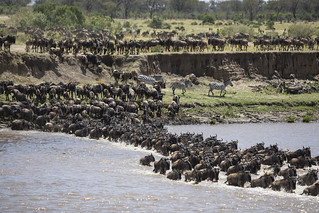
Kogatende sector (northern serengeti)
The northern region of the Serengeti is a vast pristine area of wooded rolling hills interspersed with open grassy patches and large granite outcrops. This region extends north about 55 miles from Seronera in the central Serengeti to the Masai Mara Game Reserve in Kenya.
If you are looking for the best spot to see the river crossing of wildebeest at mara river which is considered to be the greatest experience of the entire wildebeest migration, you must plan your travel plan including this region. The crossing of crocodile-infested river mara will happen in over 5 phases in the year.
crossing grumeti river
The first crossing from Tanzania side to the kanya side will happen between June and July depending on the rainy season. After the crossing, the wildebeest and zebra will settle at Kenya side for approximately 2 months. Between October and November, the wildebeest will cross mara river again but this time from Kenya’s Massai mara national reserve back to Serengeti as they embark on the return journey to the southern Serengeti and the circle will start again
The kogatende region is also known for its huge concentration of elephants and the big cats like lion, cheetahs and leopards. The region is also known for its breathtaking landscape which will add to your experience while in the region.
That will be the flow of the wildebeest migration throughout the year. This ultimate guide will surely help you to make an informed decision on which region to prioritize visiting while on your Tanzania safari.
Popular wildebeest safaris in serengeti national park
[/vc_column_text][/vc_column][/vc_row]
10 Day Wildebeest and gorillas vacation safaris

Embark on a captivating journey through the heart of East Africa as we invite you to explore the enchanting landscapes, vibrant cultures, and rich biodiversity of Rwanda and Tanzania. This meticulously crafted 10-day itinerary promises an immersive experience, seamlessly blending the awe-inspiring encounters with gorillas
| TRIP DETAILS |
| REQUEST INFO |
6 Day Wildebeest and gorilla trekking safari
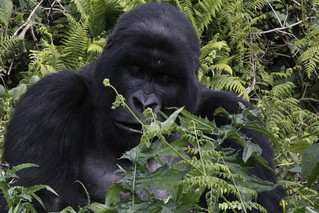
Book 6 Days Ngorongoro crater visit and Rwanda gorilla trekking to explore Tanzania & Rwanda on an Africa Safari experience tailored by Active African vacation the leading Safari operator in Uganda. The 6 Days Tanzania Rwanda Safari takes you to the great Ngorongoro crater reserve for an amazing wildlife experience.
| TRIP DETAILS |
| REQUEST INFO |
7 Day Rwanda-Tanzania vacation safari
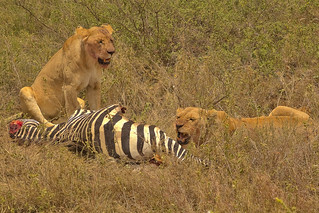
Depending on the degree of lodging, the time of year, and the particular parks and activities included a 7-day safari in Rwanda and Tanzania might have somewhat different costs. Along with activities to do in every park, below is a sample schedule including expected expenses for middle-class, budget, and luxury alternatives.
| TRIP DETAILS |
| REQUEST INFO |