
7-Day African Safari Tour
November 5, 2025
Vacation Safaris to Africa from Toronto
November 5, 2025
How Much Does It Cost to Go on an African Safari
Go on an African Safari: An African safari is one of the most extraordinary travel experiences on Earth—a journey that takes you into the wild heart of nature. But as you begin to plan, one question inevitably arises: How much does it cost to go on an African safari?
The answer depends on where you go, when you travel, and how you want to experience it. From budget camping adventures to ultra-luxury lodges, safari costs in Africa can vary dramatically. Understanding these factors helps you choose a trip that fits your dreams and your budget—without sacrificing the magic that makes Africa unforgettable.
Understanding Safari Pricing
Unlike a traditional vacation, an African safari is typically all-inclusive. Your cost usually covers accommodation, meals, park entry fees, guides, and game drives—sometimes even domestic flights. This makes planning easier, but also means that prices vary based on the type of experience you choose.
Across most of Africa, safari prices range roughly as follows:
-
Budget safaris: $200–$350 per person per day
-
Mid-range safaris: $400–$750 per person per day
-
Luxury safaris: $800–$1,500 per person per day
-
Ultra-luxury safaris: $1,800+ per person per day
These prices often include game drives, meals, accommodation, and professional guides. However, international flights, travel insurance, visas, and optional activities like hot-air balloon safaris or gorilla trekking are usually extra.
What Influences Safari Costs if you want to Go on an African Safari
1. Destination
Each country in Africa has its own safari pricing based on infrastructure, park fees, and exclusivity.
-
Kenya & Tanzania: Classic East African destinations with a wide range of lodges—from affordable tented camps in Maasai Mara or Serengeti to opulent lodges like Angama Mara or Four Seasons Serengeti. Expect $350–$1,200 per day.
-
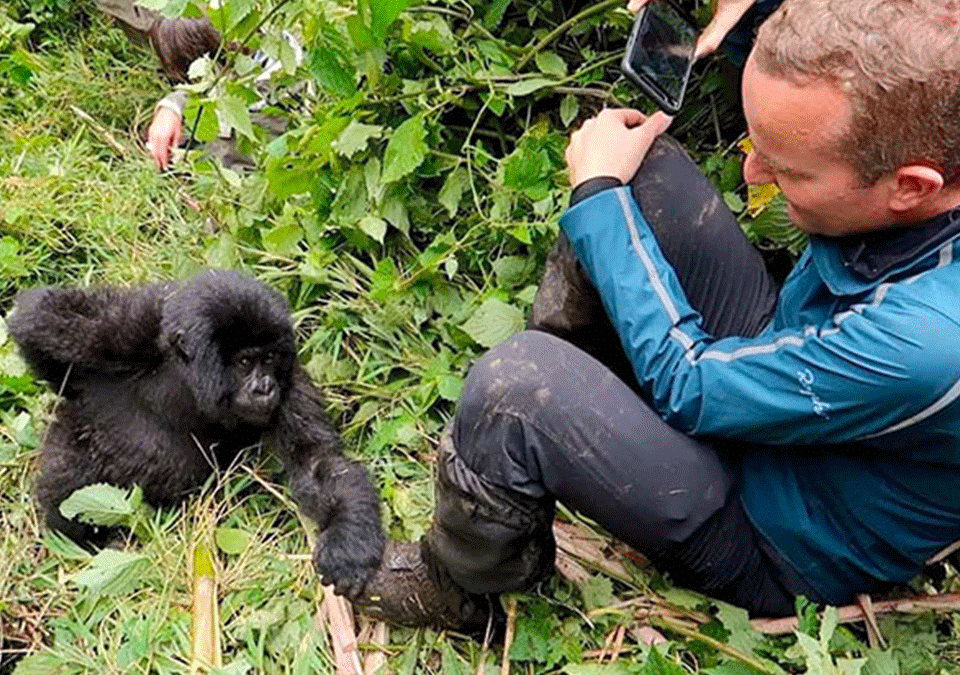
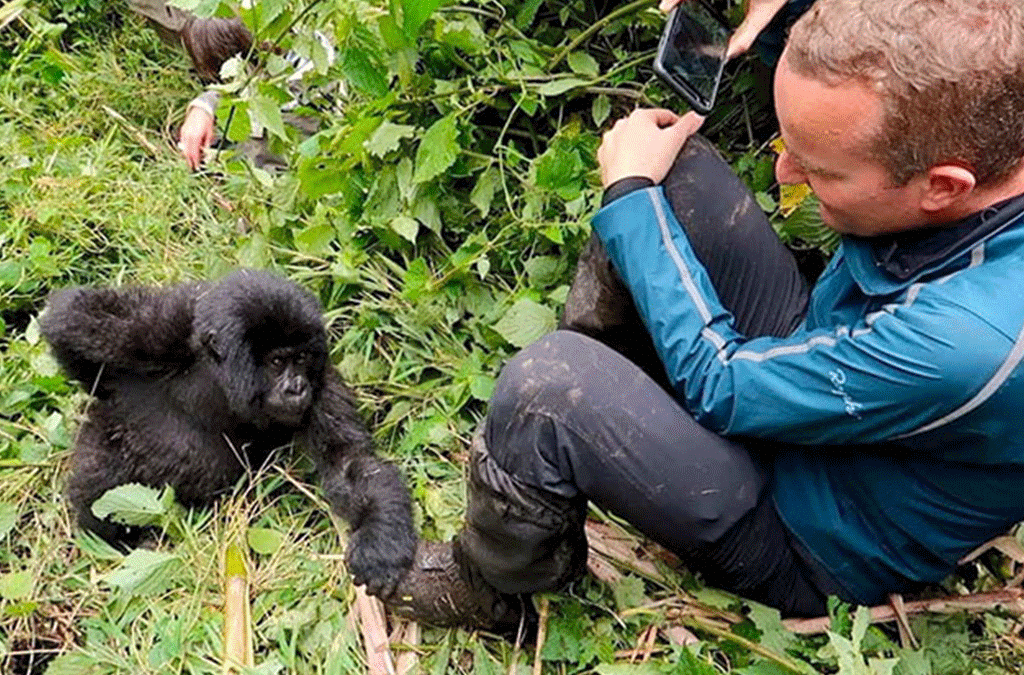
Uganda & Rwanda: Gorilla trekking safaris are more specialized. The permit alone costs $800 in Uganda and $1,500 in Rwanda, but these experiences are among the most powerful wildlife encounters on Earth.
-
South Africa: Offers some of the best value safaris, especially in Kruger National Park or malaria-free reserves like Madikwe. Prices start around $300 per day for mid-range and rise to $1,000+ for luxury private lodges.
-
Botswana & Namibia: More remote and exclusive, offering high-end lodges and private concessions. Prices often start at $900 and can exceed $2,000 per day in areas like the Okavango Delta or Sossusvlei Desert.
2. Season of Travel
Safari costs fluctuate with the seasons:
-
High season (June–October): Dry weather and peak wildlife viewing bring higher prices.
-
Shoulder season (March–May, November): Lush landscapes, fewer tourists, and moderate rates.
-
Green season (December–March): Lower prices, vibrant scenery, and baby animals—ideal for photographers and budget travelers.
3. Type of Accommodation
Your lodge or camp choice has the biggest impact on safari cost.
-
Budget camps: Basic yet comfortable with shared facilities and set itineraries.
-
Mid-range lodges: Spacious rooms, private bathrooms, and guided game drives.
-
Luxury lodges: Private decks, gourmet dining, infinity pools, and personal butlers.
-
Ultra-luxury camps: Exclusive use, helicopter transfers, and unmatched privacy in prime wildlife areas.
4. Safari Style and Group Size
Private safaris and tailor-made itineraries cost more than group safaris. However, group travel can reduce expenses significantly while still offering great experiences. Private fly-in safaris—using charter flights between parks—save time but add cost.
5. Duration and Distance
A short 3-day safari in Kenya’s Maasai Mara might cost around $1,000–$1,500 per person, while a 10-day luxury circuit through Tanzania or Botswana can exceed $10,000 per person. Longer safaris across multiple countries (like Kenya–Tanzania or Uganda–Rwanda) include higher logistics and permit costs.
Sample Safari Costs
-
Budget Safari (Kenya): 4 days in Maasai Mara – around $1,200 per person including transport and accommodation.
-
Mid-Range Safari (Uganda): 6 days combining Queen Elizabeth and Bwindi – around $2,800 per person including a gorilla permit.
-
Luxury Safari (Tanzania): 7 days in Serengeti & Ngorongoro – between $5,500–$8,000 per person.
-
Ultra-Luxury Safari (Botswana): 8 days in Okavango Delta – $12,000+ per person, fully inclusive.
Hidden Costs to Consider
While most safaris are all-inclusive, there are some additional expenses to plan for:
-
International flights: $700–$1,500 depending on your departure city.
-
Visas: Usually $50–$100 per country.
-
Tips: Safari guides and lodge staff often receive $10–$20 per day in gratuities.
-
Souvenirs & drinks: Not always included in your lodge rate.
-
Optional add-ons: Hot-air balloon rides ($450–$600), cultural tours, or night drives.
Getting the Best Value
You don’t need to spend a fortune to have a spectacular safari. Booking with reputable operators such as Vacation Safaris ensures transparent pricing, excellent guides, and well-chosen lodges that match your comfort level.
For best value, travel during the shoulder season when wildlife sightings remain excellent but lodges offer discounts. Combining national parks within the same country also reduces transfer costs.
Is It Worth It?
Absolutely. A safari is more than a vacation—it’s an encounter with nature that changes how you see the world. The moments you’ll experience—watching elephants bathe at dusk, hearing lions roar under the stars, or meeting gorillas in the mist—are priceless.
Your safari cost also contributes directly to conservation and community development. Park fees support wildlife protection, and local lodges employ and empower nearby communities, ensuring your trip makes a positive impact.
Final Thoughts
The cost of an African safari can range widely, but every dollar spent brings you closer to the wild’s most authentic beauty. Whether you choose a budget-friendly camp in Kenya or a luxury lodge in Botswana, what you gain in return is immeasurable—peace, awe, and a lifetime of memories.
Safari travel is not about how much you spend—it’s about how deeply you connect. And in Africa, connection is something money can’t buy.