
The Cost of Hiking Mount Karisimbi
October 10, 2024Chimpanzee habituation in Gishwati Mukura National Park
December 17, 2024Visiting gorillas in their natural habitat is a thrilling experience that attracts tourists from around the world. However, timing is crucial to ensure a successful and enjoyable encounter with these majestic creatures. In this article, we’ll explore the best time to visit gorillas, considering factors like weather, habitat, and gorilla behavior.
Understanding Gorilla Habitats
Gorillas inhabit the tropical forests of central Africa, spanning across six countries: Angola, Cameroon, the Central African Republic, the Democratic Republic of Congo, the Republic of Congo, and Uganda. The region’s climate is characterized by two main seasons: wet and dry.
The Dry Season Advantage (June to August and December to February)
Dry seasons offer ideal conditions for gorilla treks. The terrain is more accessible, reducing the risk of muddy trails and landslides. This period also sees gorillas congregate in smaller areas, making them easier to locate. The dry season’s clear skies and sunny weather create perfect conditions for photography and observation.
The Wet Season’s Hidden Charm (March to May and September to November)
Wet seasons bring lush vegetation and vibrant wildflowers. While trekking conditions may be more challenging, the scenery is breathtaking. Gorillas tend to disperse during this time, but patient visitors may be rewarded with unique encounters. The wet season’s rainforests are teeming with life, offering a chance to spot other exotic wildlife.
Factors Affecting Gorilla Visibility
Several factors can impact gorilla visibility, regardless of the season:
- Habitat quality: Gorillas prefer areas with abundant food and suitable habitat. Visiting areas with high-quality habitat increases the likelihood of spotting gorillas.
- Gorilla behavior: Gorillas are highly social animals and may move in groups. Understanding their behavior and movement patterns can help locate them.
- Human impact: Human activities, such as agriculture and logging, can fragment gorilla habitats and affect their behavior.
Best Time for Gorilla Trekking
Gorilla trekking is a popular activity in Uganda’s Bwindi Impenetrable National Park and Rwanda’s Volcanoes National Park. The best time for gorilla trekking is during the dry season (December to February and June to August), when the terrain is more accessible and gorillas are easier to locate.
Best Time for Gorilla Habituation
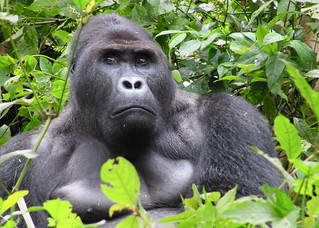
Gorilla habituation involves spending more time with gorillas, allowing them to become accustomed to human presence. The best time for gorilla habituation is during the wet season (March to May and September to November), when gorillas are more relaxed and less likely to flee.
Things to note when with Gorillas
Visiting gorillas requires responsible tourism practices to ensure the well-being of both humans and animals:
- Obtain necessary permits: Support conservation efforts by purchasing permits and following park regulations.
- Hire experienced guides: Local guides can provide valuable insights and ensure a safe experience.
- Maintain distance: Keep a safe distance from gorillas to avoid disrupting their natural behavior.
- Respect habitat: Avoid damaging vegetation or disturbing gorilla habitats.
Unique Encounters
- Gorilla habituation: Spend more time with gorillas, observing their behavior and social interactions.
- Gorilla treks: Explore forests, tracking gorilla movements and habitats.
- Community-based tourism: Engage with local communities, learning about their culture and conservation efforts.
Conservation Efforts
Gorilla conservation is a collaborative effort between governments, NGOs, and local communities. Support organizations like:
- The Dian Fossey Gorilla Fund International
- The World Wildlife Fund (WWF)
- The International Gorilla Conservation Programme (IGCP)
Gorilla Behavior and Body Language
Understanding gorilla behavior and body language is crucial for a safe and enjoyable encounter:
- Posture: Gorillas stand upright or move on all fours, depending on their mood and context.
- Facial expressions: Gorillas communicate through facial expressions, such as smiling, frowning, or looking relaxed.
- Vocalizations: Gorillas use various vocalizations, like grunting, roaring, or chirping, to communicate.
Gorilla Habitats and Migration Patterns
Gorillas inhabit forests with diverse vegetation and terrain. Understanding their migration patterns is essential for successful encounters:
- Altitude: Gorillas migrate to higher altitudes during dry seasons, seeking cooler temperatures and abundant food.
- Vegetation: They prefer areas with dense foliage, providing shelter and sustenance. The forests’ unique vegetation, including bamboo, fig trees, and wild celery, supports gorilla populations.
- Water sources: Proximity to water sources, like rivers and streams, is crucial for gorilla survival.
- Terrain: Gorillas navigate challenging terrain, including steep slopes and valleys, with ease
Gorilla Behavior and Social Structure
Gorillas live in complex societies, led by dominant males. Understanding their behavior and social structure is vital for a safe and enjoyable encounter:
- Dominant males: Silverback gorillas lead groups, protecting females and offspring.
- Female gorillas: Females play a crucial role in gorilla societies, often forming close bonds with each other.
- Infants: Baby gorillas rely on their mothers for care and protection.
- Group dynamics: Gorilla groups interact and sometimes merge, leading to fascinating social interactions.
Threats to Gorilla Populations
Speaking about the time to visit will not take away the fact that these animals face dangers well so here are some of the dangers they are accustomed to:
- Habitat loss and fragmentation: Human activities like agriculture, logging, and urbanization encroach on gorilla habitats.
- Poaching: Gorillas are hunted for bushmeat, infants are captured for the pet trade, and adults are killed for their body parts.
- Disease transmission: Gorillas are susceptible to diseases like Ebola, which can decimate populations.
- Climate change: Climate change alters gorilla habitats and disrupts their food supply.
Conservation Success Stories

- Increased gorilla populations: Conservation efforts have contributed to the growth of gorilla populations in some areas.
- Habitat protection: National parks and protected areas provide a safe haven for gorillas.
- Community engagement: Local communities are increasingly involved in gorilla conservation.
- Research and monitoring: Scientists study gorilla behaviour, habitat, and population dynamics to inform conservation efforts.
Supporting Gorilla Conservation
- Donating to reputable organizations: Organizations like the Dian Fossey Gorilla Fund International and the World Wildlife Fund (WWF) work tirelessly to protect gorillas.
- Spreading awareness: Share information about gorilla conservation and the importance of protecting their habitats.
- Supporting sustainable tourism: Choose responsible tour operators that prioritize gorilla welfare and conservation.
- Advocating for policy change: Encourage governments to implement policies protecting gorilla habitats and combating wildlife trafficking.
Gorilla conservation is a complex and ongoing process. By supporting conservation efforts, spreading awareness, and advocating for policy change, we can help protect these majestic creatures and their habitats. Remember, every action counts, and together, we can make a difference in the fight to conserve gorillas.
Preparing for Your Gorilla Encounter?
- Physical conditioning: Gorilla treks can be challenging; ensure you’re physically prepared.
- Immunizations: Consult your doctor about necessary vaccinations.
- Permits: Book permits in advance to avoid disappointment.
- Guides: Hire experienced guides for a safe and informative experience
Our popular safari packages
[/vc_column_text][/vc_column][/vc_row]
10 Day Wildebeest and gorillas vacation safaris

Embark on a captivating journey through the heart of East Africa as we invite you to explore the enchanting landscapes, vibrant cultures, and rich biodiversity of Rwanda and Tanzania. This meticulously crafted 10-day itinerary promises an immersive experience, seamlessly blending the awe-inspiring encounters with gorillas
| TRIP DETAILS |
| REQUEST INFO |
6 Day Wildebeest and gorilla trekking safari
Book 6 Days Ngorongoro crater visit and Rwanda gorilla trekking to explore Tanzania & Rwanda on an Africa Safari experience tailored by Active African vacation the leading Safari operator in Uganda. The 6 Days Tanzania Rwanda Safari takes you to the great Ngorongoro crater reserve for an amazing wildlife experience.
| TRIP DETAILS |
| REQUEST INFO |
7 Day Rwanda-Tanzania vacation safari
Depending on the degree of lodging, the time of year, and the particular parks and activities included a 7-day safari in Rwanda and Tanzania might have somewhat different costs. Along with activities to do in every park, below is a sample schedule including expected expenses for middle-class, budget, and luxury alternatives.
| TRIP DETAILS |
| REQUEST INFO |