
Top of her travel is Tanzania, famed for its varied wildlife including the big five (lion, elephant, rhinoceros, leopard, buffalo). These 7-less known of Tanzania species call it home as well. We are going to discuss some less yet unusual species in this page that only found in Tanzania.
Aardvark (Orycteropus afer) –
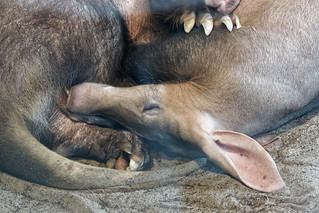
On a Tanzania safari, the aardvark is among the most secretive species one may find. The aardvark is clearly distinguished by its large snout, rabbit-like ears, and strong body. Mostly nocturnal, these solitary mammals use their unique claws and sticky tongues to search for ants and termites overnight. Although they are scattered over sub-Saharan Africa, including Tanzania, their burrowing behavior and nightfall make them difficult to find. But focused night safaris or trips to regions with aardvark populations raise the likelihood of seeing this fascinating species.
Pangolin (Manis) – 7-less known of Tanzania
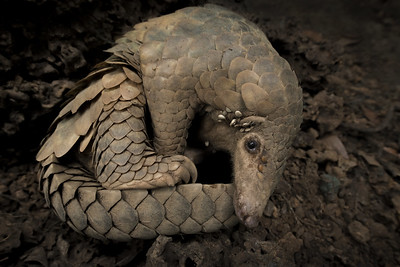
Often referred to as the most trafficked mammal worldwide, the pangolin (Manis) is scarce in the wild because of habitat degradation and illicit hunting motivated by demand for their scales and meat. Still, Tanzania’s protected areas give hope for seeing these unusual species. Pangolins are well-adapted for their specific diet of ants and termites given their overlapping scales and unique bent walk. Though they look like armor, pangolins are cautious and non-aggressive; they generally curl into a tight ball when frightened. During nighttime trips or by the work of conservation initiatives aimed at their protection, Safari-goers might spot these elusive species.
Colobus monkey – 7-less known of Tanzania
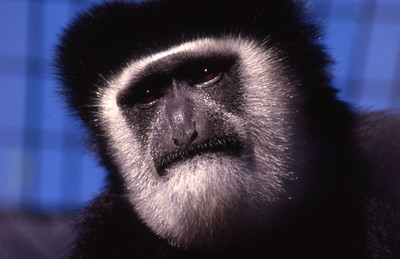
Common sight in Tanzania’s woodlands, colobus monkeys are distinguished by their long, graceful tails and black-and- white fur. Among the several kinds of colobus monkeys, though, the Zanzibar red colobus (Piliocolobus kirkii) and the Angola colobus (Colobus angolensis) stand out. Whereas the Zanzibar red colobus is found only on Unguja Island (Zanzibar), the Angola colobus lives in montane and coastal woods. As seed dispersers, both species are vital in forest ecosystems helping to revive other plant species. Although habitat fragmentation and degradation endanger their numbers, Tanzania’s protected regions provide chances for seeing these elegant primates in their native environment.
Aardwolf—Proteles cristata
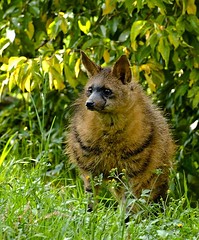
Though its name suggests otherwise, the aardwolf—Proteles cristata—is actually a hyena family member rather than a wolf. Characterized by its striped coat and insectivorous diet, the aardwolf is a nocturnal insectivore mostly preying on termites. Unlike its larger siblings, the spotted hyena and the striped hyena, the aardwolf is solitary and less vociferous; it uses hearing and scent to find prey. Although they are scattered over eastern and southern Africa, including Tanzania, aardwolves are rare because of their secretive behavior and nocturnal habits. On night drives in places known to be home for these rare species, however, patient safari-goers may see them.
Gerenuk (Litocranius walleri) – 7-less known of Tanzania
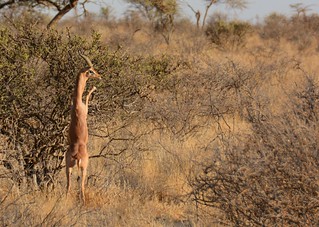
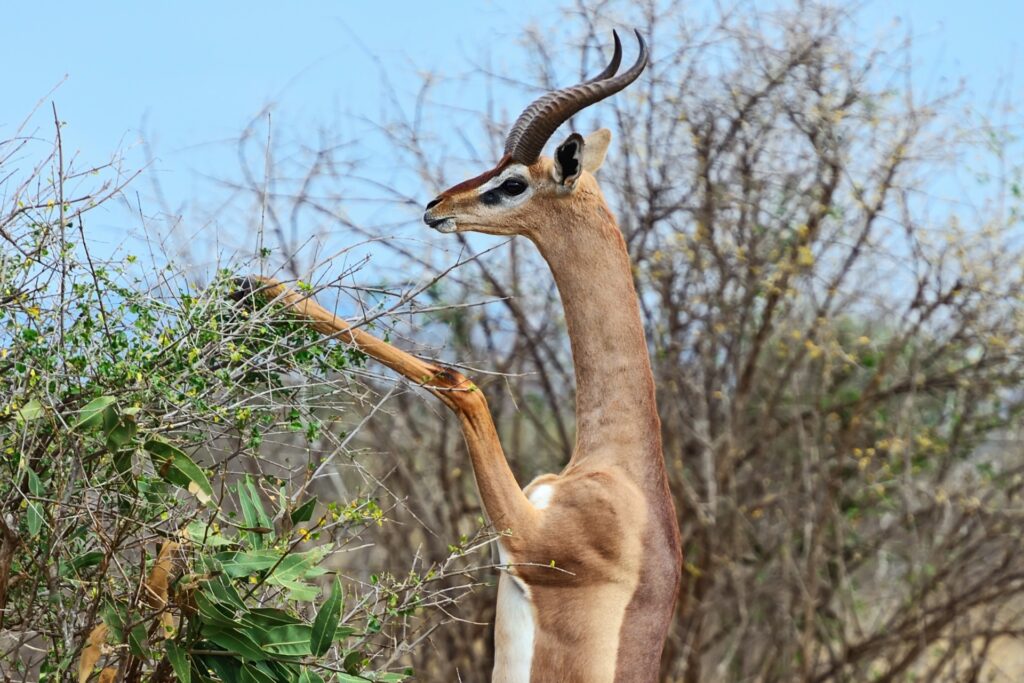
The slender antelope gerenuk (Litocranius walleri) has a unique long neck and small head. It is sometimes referred to as the giraffe gazelle. Found only in the Horn of Africa and East Africa, including Tanzania, gerenuks eat leaves, shoots, and blossoms in arid thornbush and scrubland habitats. Their long necks enable them to reach high branches unreachable to other herbivores, therefore rendering them extremely specialized eaters. Though they are somewhat widely distributed, gerenuks are not as often observed as other antelope species on safaris because of their quiet and elusive character. Safari’s visitors seeking suitable habitat, however, can be rewarded with glimpses of these elegant antelopes munching among the acacia trees.
The caracal – 7-less known of Tanzania
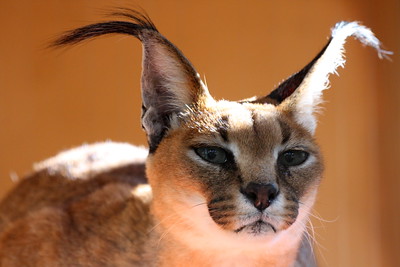
Slick and nimble, the caracal—also known as the desert lynx or African lynx—has unique tufted ears and a reddish-brown coat. Though mostly nocturnal, caracals are opportunistic hunters that prey on small animals, birds, and sometimes bigger prey including antelope. Although their solitary behavior and extensive range make them difficult to find, sightings of them are possible in Tanzania’s protected regions, particularly around dawn and dusk when they can be most active. Although they are common in Africa and some areas of Asia, habitat loss, human-wildlife conflict, and illegal poaching for their fur and body parts endanger caracals.
Serval (Leptailurus serval) – 7-less known of Tanzania
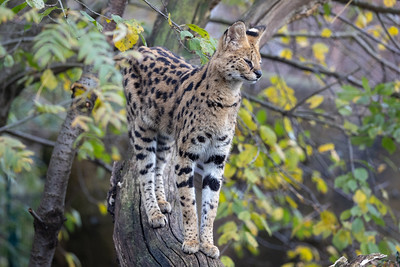
The slim and graceful serval (Leptailurus serval) has long, tapering ears, a spotted coat, and elongated, choosing grassland and marsh environments, servals are adept hunters that feed on small mammals, birds, and rodents with amazing accuracy and agility. Because of their secretive nature and nocturnal behavior, servals are rare even if they are somewhat widely distributed over sub-Saharan Africa including Tanzania. On night drives or in suitable environment, however, sightings are possible and could be seen stalking across the thick grass in search of prey. Like many other carnivores, servals deal with hazards from habitat degradation, human-wildlife conflict, and poaching.
Conclusion
with essence, even while the Big Five might take front stage for Tanzania safaris, the nation’s varied ecosystems abound with less well-known species just waiting to be found. From elegant antelopes like the gerenuk and quick predators like the caracal and serval to elusive nocturnal species like the aardvark and pangolin, Tanzania presents a great range for discovery. Travelers on safaris might get a greater respect for the complex network of life that calls Tanzania’s wilderness by straying from the trail and adopting an attitude of inquiry.