
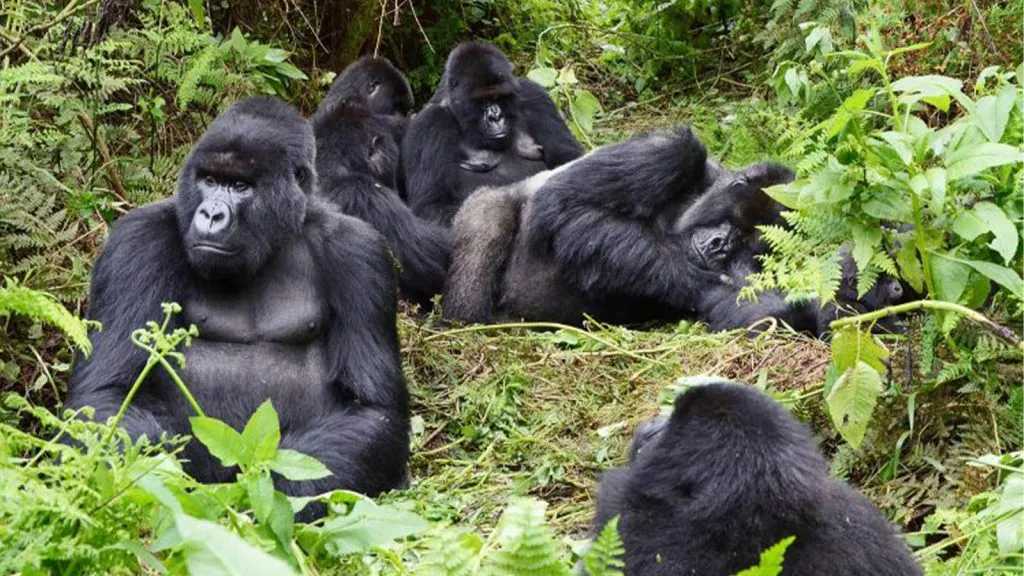
Gorilla safaris are one of the most remarkable wildlife experiences in East Africa, offering intimate up-close encounters with the majestic mountain gorillas. Mountain Gorillas are the endangered great apes with only about 1000 individuals remaining.
These apes are found in only three countries in the world: Uganda, Rwanda, and the Democratic Republic of Congo (DRC). These endangered animals live in protected areas that cover the high-altitude, lush forests of the Virunga Mountains and Bwindi Impenetrable Forest. In these regions, tourists can participate in either gorilla trekking or gorilla habituation, depending on the location and availability of gorilla permits.
While both experiences offer unforgettable encounters with mountain gorillas in their natural habitat, they vary in the period, the cost, the level of intensity, and the type of experience you’ll have with these majestic primates. In this post, we’ll explore the comparison of gorilla trekking and gorilla habituation, helping you make the best choice for your adventure.
What is Gorilla Trekking?
Gorilla trekking is the more traditional and popular way to observe mountain gorillas in their natural habitat. The experience involves a guided hike through forests in the gorilla national parks, where you’ll spend an hour with a gorilla family that has already been habituated, meaning they’re accustomed to human presence.
During this hour, you’ll witness gorillas in their natural environment, observing their social interactions, feeding, and grooming habits. Gorilla trekking is available in Uganda’s Bwindi Impenetrable National Park and Mgahinga Gorilla National Park, Rwanda’s Volcanoes National Park, and the DRC’s Virunga National Park.
Also note that half of the total population of mountain gorillas, lives in Bwindi Impenetrable Forest National Park, making it the best place to go for gorilla trekking with a 90% chance of spotting the gorillas.
During gorilla trekking, you’ll be part of a small group of only eight people led by park rangers and guides as you navigate the forest to locate a specific gorilla family. The treks vary in difficulty, depending on the terrain and how far the gorillas have traveled that day.
Gorilla trekking begins as early as, 7:30 am with a briefing at the park headquarters. Here, you will meet your guide and park rangers at the trailhead, where you’ll receive a guideline on safety protocols and the gorilla trek in general.
Trekking through the forest can be physically demanding, especially if the gorilla family is in a remote location. Once you locate the gorillas, you will have one hour to observe their daily habits including feeding, grooming, and resting behaviors.
Gorilla trekking is often described as peaceful and moving. Because the gorillas are habituated, they are relatively indifferent to human observers, allowing you to see them in a relaxed, natural state.
What is Gorilla Habituation?
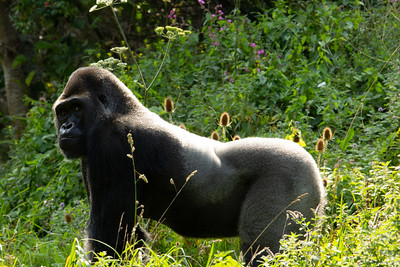
Gorilla habituation is a more immersive and extended experience specifically aimed at training wild gorillas to get accustomed to the presence of human beings for tourism purposes.
Here, visitors accompany a team of conservationists, researchers, trackers, and rangers to track a wild gorilla group and study its lifestyle while introducing the gorillas to humans. The gorilla habituation process lasts 2 to 3 years, depending on how well a particular group performs.
The gorilla habituation experience is exclusively done in Rushaga, one of the four major trekking sectors of Bwindi Impenetrable Forest National Park. The experience, like gorilla trekking, also starts with a briefing at the park headquarters which includes additional information on the habituation process and guidelines for minimizing disruption.
To maintain a low-stress environment, only four visitors are allowed per gorilla habituation group, to create a low-stress environment for the gorillas and create a more intimate experience. Observing gorillas at this stage often means witnessing unique behaviors rarely seen in fully habituated groups, given that these are wild gorillas.
Once in the presence of the gorillas, you will have four hours to watch them, which allows for a more in-depth experience. This time is invaluable for gaining insights into gorilla behavior, their responses to humans, and their overall way of life.
Compare the Cost of Gorilla Permits for Each
The cost of gorilla permits varies significantly between gorilla trekking and gorilla habituation in Uganda but the gains out way the cost. A gorilla trekking permit in Uganda costs $800 and $1,500 in Rwanda. By comparison, the gorilla habituation permit costs $1,500 in Uganda, which is the same price for gorilla trekking in Rwanda. Moreover, Uganda is the only country where this experience is offered.
This difference in cost often makes gorilla trekking in Uganda a more budget-friendly option, though both fees contribute to conservation and community efforts. If you’re budget-conscious, trekking may be the more accessible choice, while habituation offers added value for those seeking an extended experience with the gorillas. Gorilla permits in Uganda are issued by the Uganda Wildlife Authority (UWA) while in Rwanda, they are issued by the Rwanda Development Board (RDB). Booking your gorilla permit in advance is often recommended due to the high demand for gorilla safaris.
Time Spent on Each Experience
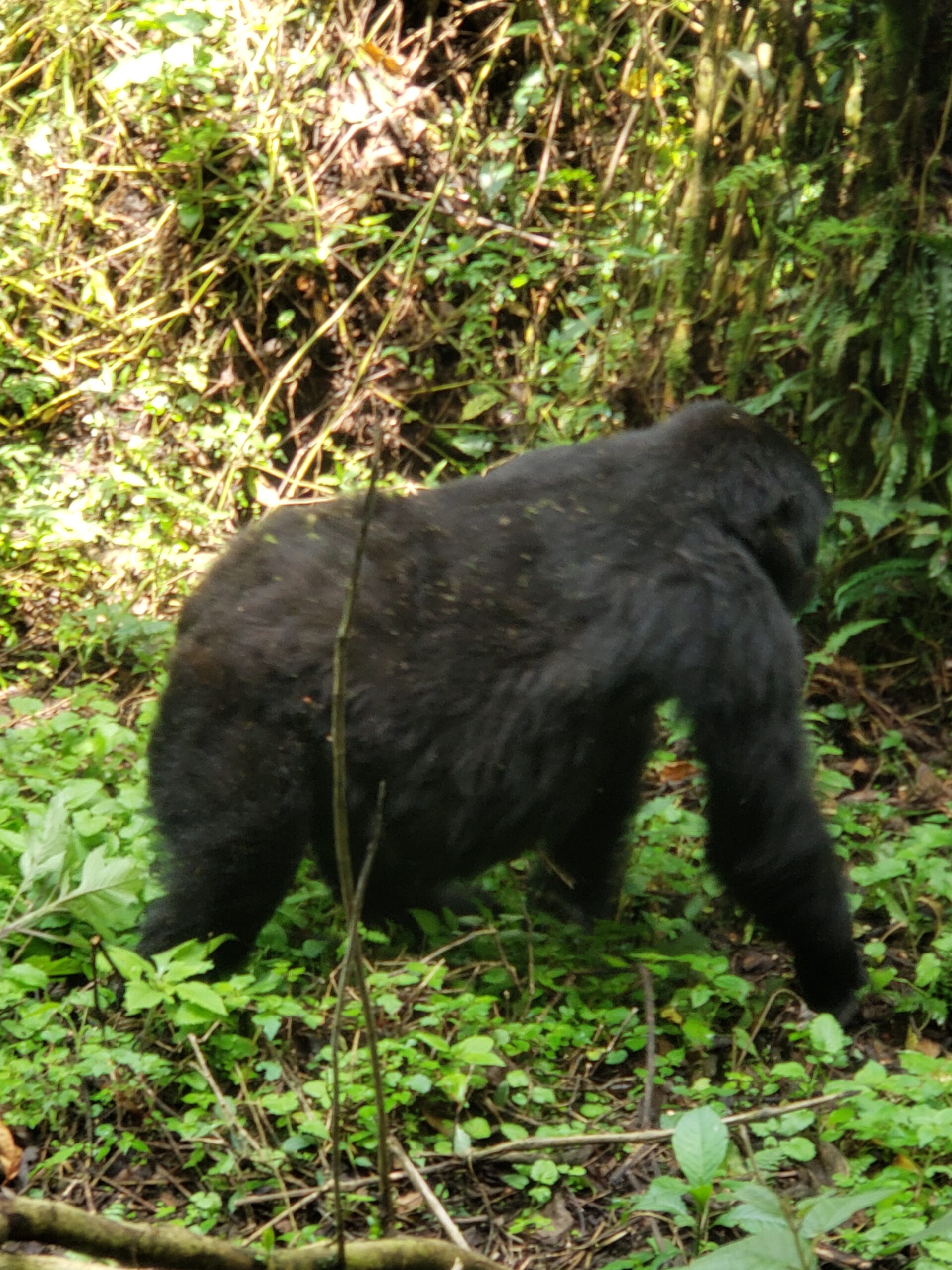
The duration of gorilla trekking and habituation experiences differs. With gorilla trekking, visitors have an hour with the gorillas once they’re located, although the entire trek can take up to four hours, depending on how far the gorilla group has moved.
On the other hand, gorilla habituation allows visitors to spend up to four hours with the gorillas, observing them and participating in their daily routines. This extended time is ideal for visitors seeking a more immersive experience and allows for a more profound understanding of gorilla behaviors.
Visitor Group Size in Each Experience habituation VS trekking
Visitor group size is another key difference between gorilla trekking and gorilla habituation. Gorilla trekking permits allow groups of up to eight people per trek, creating a shared experience.
In contrast, gorilla habituation permits a limited group size of four people, allowing for a more intimate encounter. This smaller group size enhances the quality of the experience, providing each participant with closer proximity to the gorillas and increased personal engagement with conservation experts.
Physical Demands to Expect in Each
Both gorilla trekking and gorilla habituation experiences require a moderate to high level of physical fitness, given the nature of the terrain in the gorilla national parks. However, gorilla habituation can be more demanding as it involves longer hikes through dense forests, rugged terrain, and at times, steep hillsides.
Visitors must be prepared to spend hours trekking through Bwindi Impenetrable Forest, following the gorillas as they roam and engage in daily activities. For both experiences, it’s advisable to bring waterproof gear, sturdy boots, and plenty of water, as the trekking can be physically challenging, especially during the rainy seasons.
Best Time to Explore Gorilla Trekking and Gorilla Habituation
While gorilla trekking and gorilla habituation are available year-round, the best time for both experiences is during the popular dry seasons, from December to February and June to September. During these months, the forest trails are less slippery, making it easier to navigate the terrain. The dry seasons also coincide with peak tourism months, so planning and booking permits well in advance is crucial.
For low budget travelers, you should plan your safari in wet season which is considered to be a low season. This season also come with discounts on accommodation and discounted gorilla permit from Rwanda upon fulfilling of certain conditions.
popular gorilla safaris for Uganda and Rwanda
[/vc_column_text][/vc_column][/vc_row]
10 Day wildebeest and gorilla trekking safari
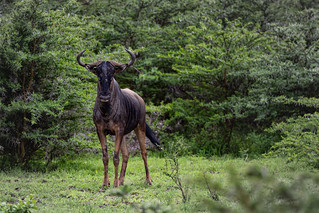
Embark on a captivating journey through the heart of East Africa as we invite you to explore the enchanting landscapes, vibrant cultures, and rich biodiversity of Rwanda and Tanzania. This meticulously crafted 10-day itinerary promises an immersive experience, seamlessly blending the awe-inspiring encounters with Rwanda’s majestic gorillas and golden monkeys
| TRIP DETAILS |
| REQUEST INFO |
10 Days Kilimanjaro and gorilla trekking safari
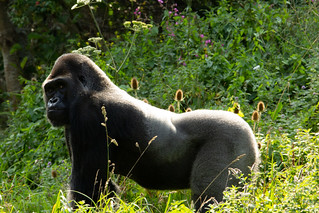
This 10 days Kilimanjaro & Gorilla safari brings you to the highest peak of the tallest mountain in Africa standing at 5895m above sea level. Mountain Kilimanjaro is the longest single-standing mountain in the world. Although there are 6 routes for hiking the mountain Kilimanjaro, which are; the Shira (Londorossi) route, Lemosho route, Machame route, Umbwe route, Maranggu route, and Rongai route.
| TRIP DETAILS |
| REQUEST INFO |
14 Day best of Rwanda and Tanzania vacation safari
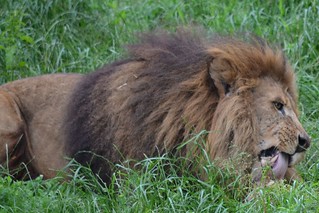
Embark on an extraordinary 14-day journey through the heart of East Africa, where the tapestry of nature unfolds in its most magnificent and untamed form. This meticulously crafted itinerary invites you to traverse three captivating countries – Rwanda, Kenya, and Tanzania – each offering a unique blend of culture, wildlife, and breathtaking landscapes.
| TRIP DETAILS |
| REQUEST INFO |