
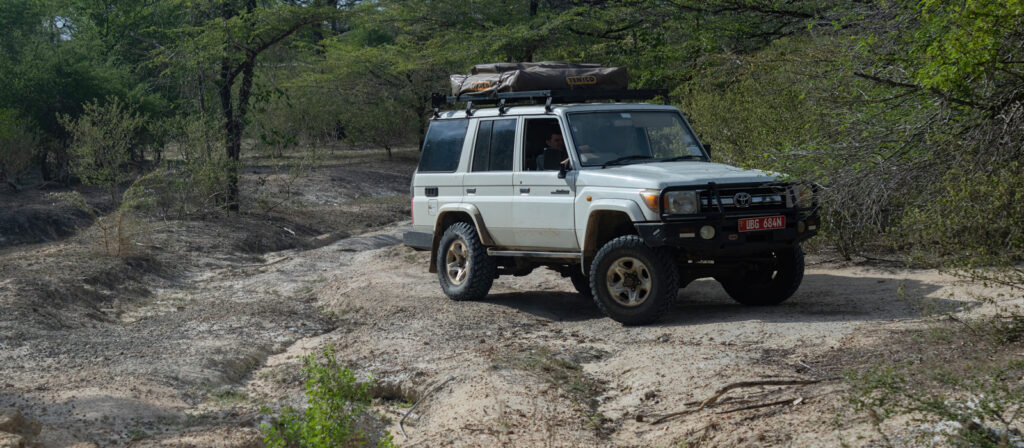
Tanzania is a land of breathtaking vistas, abundant wildlife, and unforgettable adventures. For those craving a sense of independence, self-driving in Tanzania can be an exhilarating way to explore its wonders. From the vast plains of the Serengeti to the pristine beaches of Zanzibar, Tanzania has a lot to offer.
With the freedom to choose your route, stop at hidden gems, and explore at your own pace, self-driving offers a unique travel experience. However, ensuring your safety and planning effectively is key to enjoying this adventure. Here’s a detailed guide to help you prepare for a safe and memorable self-drive trip in Tanzania.
Understanding Tanzania’s Road Conditions
Tanzania’s road network features a mix of well-maintained highways, rural dirt tracks, and rugged paths that lead to remote safari destinations. Major roads connecting cities like Dar es Salaam, Arusha, and Dodoma are generally in good condition but rural roads can be challenging, especially during the rainy season when they may become muddy and impassable. If you plan to explore Tanzania’s national parks or remote areas, it is safe to have a reliable 4×4 vehicle.
Renting a Car for Self-Drive in Tanzania
This is the first step to your self-drive guide in Tanzania! Renting a car is straightforward, with many companies such as Safari Hub offering high-quality 4WD vehicles tailored for safari adventures. Choose a reputable rental agency that provides well-maintained vehicles, as breakdowns in remote areas and national parks can be both inconvenient and dangerous.
When choosing a car for your Tanzania self-drive safari, ask whether the vehicle comes equipped with essential tools like a spare tire, jack, and GPS device, and confirm that comprehensive insurance is included. Booking in advance is recommended, especially during the peak travel seasons.
Navigation and Signage
While driving in Tanzania, you’ll notice that road signs are inconsistent, especially in rural areas. Investing in a GPS device or using navigation apps like Google Maps can be helpful, but they might not always be accurate in remote regions.
To avoid getting lost, consider purchasing a physical map as a backup and consulting with locals if you’re unsure of your route. Additionally, having basic navigation skills can prove invaluable when signs or digital tools fail.
Driving Etiquette and Rules in Tanzania
Tanzanians drive on the left side of the road, and most vehicles are right-hand drive. Speed limits are typically 50 km/h in urban areas and 80 km/h on highways, but it’s important to watch for posted signs. Road safety enforcement is active in the country, and police checkpoints are common. Always carry your driver’s license, international driving permit (IDP), and vehicle insurance documents to avoid fines or complications. An IDP is mandatory for most international travelers and should be obtained before arriving in Tanzania.
Safety and Security
Tanzania is generally a safe country, but like any travel destination, it’s wise to exercise caution while on your self-drive safari. Avoid driving in the night as roads can be poorly lit, and the risk of encountering drunk drivers or stray animals increases after dark. Always keep your belongings out of sight and lock your vehicle when unattended. In rural areas, credit cards may not be widely accepted, so carry cash for fuel, tolls, and emergencies. Ensure you refuel whenever possible as gas stations can be scarce in rural areas.
Acquiring Basic Mechanic Skills
A self-drive trip in Tanzania may take you through remote areas where help isn’t readily available. Knowing how to handle minor vehicle issues, such as changing a flat tire or jump-starting a car, can save you from frustrating delays during your trip. Most rental agencies often provide a brief guide on vehicle operation and technical support.
Park Entry Fees
Entry into Tanzania’s national parks requires payment of park entry fees, which vary depending on the park and duration of your stay. These fees are charged per vehicle and individual and must be paid at designated entry points. You can visit the Tanzania National Parks Authority (TANAPA) website for updated rates and ensure you have sufficient funds or a prepayment confirmation.
Navigating National Parks
Most of Tanzania’s national parks, including Serengeti, Ngorongoro, and Tarangire, are popular self-drive destinations. While you can explore these parks independently, hiring a guide is recommended for first-time visitors. Most Tanzania safaris often begin from Arusha, and while most parks are accessible, you will need help navigating the various tracks for game drives and the hot spots for wildlife viewing. Guides offer valuable insights about these and can help you navigate tricky terrains, ensuring a safe and enriching experience.
Wildlife and Pedestrian Awareness
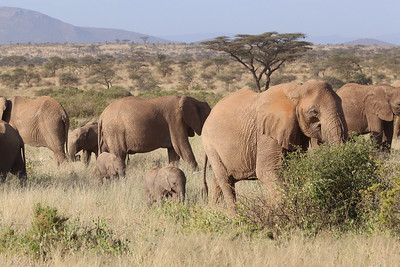
When driving near national parks or wildlife reserves, beware of animals crossing the road unexpectedly. From elephants to zebras, the experience can be thrilling but requires constant vigilance. Additionally, pedestrians and cyclists frequently share the road in rural areas, so it’s essential to drive cautiously and at moderate speeds.
Self-driving in Tanzania is safe for travelers who are well-prepared and cautious. By understanding the road conditions, adhering to local driving rules, and taking necessary precautions, you can enjoy a memorable and independent adventure. However, if you’re unfamiliar with African driving conditions or want a more relaxing experience, consider combining self-driving with guided tours for certain parts of your journey. A self-drive trip in Tanzania can be a rewarding experience with, the right preparation. Don’t forget to pack essentials like a first-aid kit, spare tire, and plenty of water, and embrace the freedom to explore this incredible country on your own terms.
popular gorilla safaris for Uganda and Rwanda
[/vc_column_text][/vc_column][/vc_row]
10 Day wildebeest and gorilla trekking safari
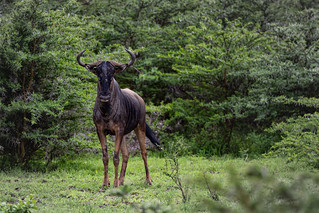
Embark on a captivating journey through the heart of East Africa as we invite you to explore the enchanting landscapes, vibrant cultures, and rich biodiversity of Rwanda and Tanzania. This meticulously crafted 10-day itinerary promises an immersive experience, seamlessly blending the awe-inspiring encounters with Rwanda’s majestic gorillas and golden monkeys
| TRIP DETAILS |
| REQUEST INFO |
10 Days Kilimanjaro and gorilla trekking safari
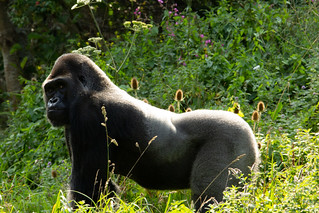
This 10 days Kilimanjaro & Gorilla safari brings you to the highest peak of the tallest mountain in Africa standing at 5895m above sea level. Mountain Kilimanjaro is the longest single-standing mountain in the world. Although there are 6 routes for hiking the mountain Kilimanjaro, which are; the Shira (Londorossi) route, Lemosho route, Machame route, Umbwe route, Maranggu route, and Rongai route.
| TRIP DETAILS |
| REQUEST INFO |
14 Day best of Rwanda and Tanzania vacation safari
Embark on an extraordinary 14-day journey through the heart of East Africa, where the tapestry of nature unfolds in its most magnificent and untamed form. This meticulously crafted itinerary invites you to traverse three captivating countries – Rwanda, Kenya, and Tanzania – each offering a unique blend of culture, wildlife, and breathtaking landscapes.
| TRIP DETAILS |
| REQUEST INFO |