
African wildlife adventure safari
The Pearl’s Grand Tapestry: A Journey Through Uganda’s Wild Heart
Uganda, famously dubbed the “Pearl of Africa,” is not merely a destination; it is a profound sensory experience that challenges every preconceived notion of an African safari. From the misty, prehistoric corridors of ancient rainforests to the sun-drenched savannahs where lions defy gravity, a journey through Uganda is a masterclass in biodiversity.
The Appetizer: Lake Mburo National Park
Every great adventure needs a fitting introduction, and Lake Mburo National Park serves as the perfect “appetizer” game drive for any Ugandan safari. Located conveniently along the highway to the west, it offers a gentle yet captivating transition into the wild. Despite being Uganda’s smallest savannah park, Lake Mburo National Park is a biodiversity hotspot home to 68 mammal species and over 350 bird species. It is uniquely famous for being the only place in Uganda where you can find impalas
Unlike the more famous northern parks, Lake Mburo is a mosaic of sculptured landscapes, rolling hills, and tranquil lake shores. It is the best place in Uganda to see the majestic Eland—the world’s largest antelope—and the only park in the southern region where Burchell’s Zebras roam in abundance. As you navigate the well-maintained tracks, you’ll encounter herds of Impala (unique to this park in Uganda),
Topi, and Buffalo. The lack of large predators like lions makes the atmosphere here uniquely peaceful, allowing for intimate sightings that set the stage for the raw drama to come. The park’s landscape of acacia woodlands and wetlands supports a diverse range of herbivores and a few elusive predators.
What is the gist of Lake Mburo National Park what makes it unique and famous for ?
- Flagship Species:Lake Mburo National Park is the best place in Uganda to see Burchell’s zebras (with over 5,000 individuals) and it is the only natural habitat for impalas, Giant Antelopes. This park hosts Africa’s largest antelope Common Eland alongside the Topi, Defassa waterbuck, , Bushbuck and Oribi
- Reintroduced Species:A population of Rothschild’s giraffes was reintroduced in 2015 and has since grown to nearly 60 individuals.
- Predators:While lions are locally extinct (with only occasional lone visitors), the park has a healthy population of leopards and spotted hyenas
- Notable Absences:There are currently no elephants in Lake Mburo National Park.
- Aquatic, Semi-Aquatic Wildlife and large mammals:The park centers around Lake Mburo and its surrounding wetlands, which host specialized species including, High concentrations of hippos and Cape buffaloes are frequently seen along the shores.
- Reptiles:The Nile crocodile is the apex aquatic predator here.always a must see whileon the mburo boat cruise be it morning or sun set boat cruise
- Wetland Specialists:The secretive Sitatunga (a swamp-dwelling antelope) and three species of otters inhabit the marshy areas.
- Birdlife Highlights: With over 350 recorded species, the park is a premier birding destination.
Rare Sightings: The elusive Shoebill stork and the African Finfoot are highly sought after by birders.
Endemic & Specialty Birds: It is the only place in Uganda to see the Red-faced Barbet.
Other Species: Look for the Grey Crowned Crane (Uganda’s national bird), Martial Eagles, Papyrus Gonolek, and various kingfishers
Unique Viewing Experiences: Because of the absence of many large predators, Lake Mburo offers unique ways to see wildlife:
- Walking Safaris:One of the few parks in Uganda where you can safely explore the where one would feelthe happiness of walking with giraffes and zebras in African savannah on foot with a ranger.
- Horseback Safaris:Experience the park from a horse’s back, often allowing for closer approaches to zebras and elands.
- Night Game Drives:The best method for spotting nocturnal animals including; leopards, hyenas, bush babies, and porcupines
The Primate Odyssey: Kibale and Bwindi the only place know as the primates capital Kanyanchu and Ngogo
From the savannah, the landscape shifts dramatically into the emerald embrace of Uganda’s rainforests. This is the realm of the great apes, where the air is thick with the scent of damp earth and the echoes of ancient calls.
A primate Kibale National Park: The Primate Capital of the World
Kibale National Park famously dubbed the “Primate Capital of the World,” is a premier destination in Western Uganda that offers an unparalleled immersive wildlife experience. Spanning 795 square kilometers, this biodiverse haven protects one of the last remaining expanses containing both lowland and montane forests, providing a unique refuge for over 13 primate species, 370 bird species, and diverse mammals.
- The Ultimate Primate Experience
Chimpanzee Trekking
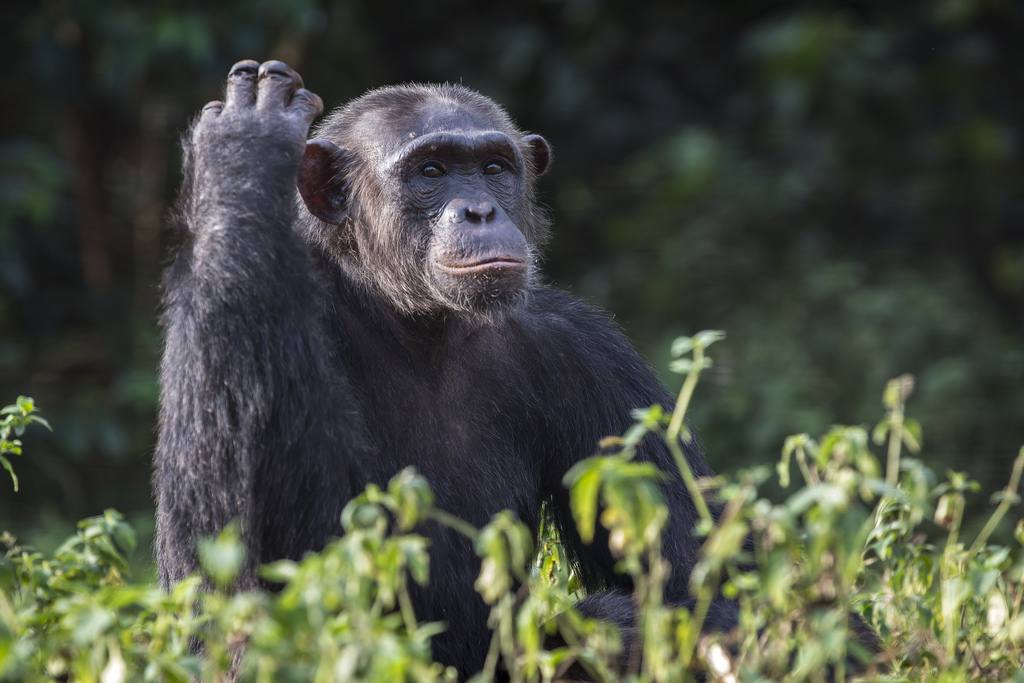
Kibale National Park is a lush tropical wonderland harboring the highest density of primates in Africa. The star attraction here is the Chimpanzee.
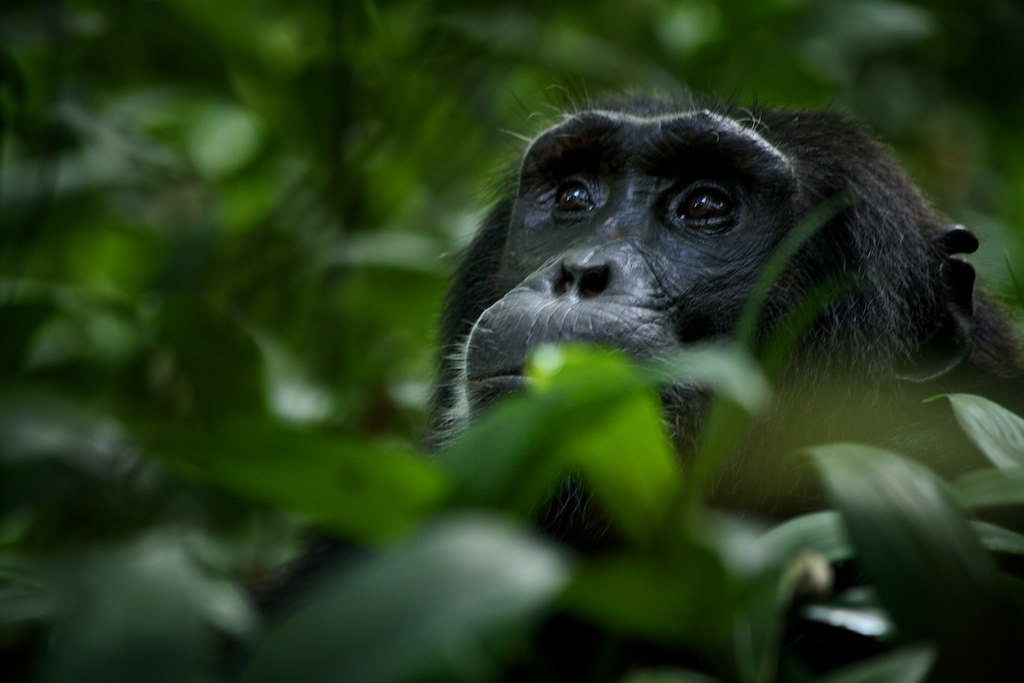
The park is home to over 1,500 chimpanzees, our closest living relatives with whom we share 98.7% of our DNA. Guided treks from the Kanyanchu Visitor Centre offer a high success rate (over 90%) for spotting these intelligent apes. The minimum age for chimpanzee trekking is 12 years, permits are booked in advance and trekking is all year round. Embarking on a trek through Kibale’s towering canopy is a thrilling pursuit. As your expert guide tracks the “pant-hoot” calls echoing through the trees, you might find yourself suddenly standing in the midst of a community of over 50 chimpanzees. Watching these highly intelligent creatures socialize, hunt, and play is a window into our own evolutionary past.
- Chimpanzee Habituation Experience:For a deeper connection, the Chimpanzee Habituation Experience (CHEX) allows visitors to spend up to four hours with a semi-habituated community, observing them from the time they leave their nests at dawn.
- Rare Monkeys:Beyond chimps, you can spot the endangered Ugandan red colobus, L’Hoest’s monkeys, grey-cheeked mangabeys, and black-and-white colobus monkeys. Night walks reveal nocturnal wonders like pottos and saucer-eyed bush babies.
- A Birdwatcher’s Paradise
With over 370 recorded bird species, Kibale is one of Uganda’s top birding destinations.
- Unique Specials:It is the only place in Uganda where you can reliably see the elusive Green-breasted Pitta.
- Exclusive Residents:Four species found here have not been recorded in any other Ugandan national park: the blue-headed bee-eater, Nahan’s francolin, masked apalis, and Cassin’s spinetail.
- Vibrant Diversity:Other highlights include the Great Blue Turaco, African Grey Parrot, and various, Albertine Rift endemics.
Elusive Forest Giants and Predators
While dense vegetation makes them harder to spot than in savannah parks, Kibale’s biodiversity extends far beyond primates.
- Mammals:The park supports over 70 mammal species, including African forest elephants (smaller and more elusive than their bush counterparts),forest buffaloes, and giant forest hogs
- Secretive Predators:Lucky visitors might encounter leopards, African golden cats, or servals, which often travel through the 180-km wildlife corridor connecting Kibale to Queen Elizabeth National Park.
- Conservation and Community Impact
A visit to Kibale supports vital ecological and social initiatives.
- Bigodi Wetland Sanctuary:This community-run project bordering the park is a prime spot for seeing eight primate species and nearly 200 bird species. Tours here directly benefit local schools and women’s groups.
- Research Hub:The park hosts the Makerere University Biological Field Station, underscoring its global importance for primate research and environmental stewardship.
Tips for chimpanzee trekking
- Book Early: Permits are limited and sell out quickly, especially during peak seasons. It is recommended to book 2–6 months in advance.
- Choose Your Experience:
- Standard Trekking: Lasts 2–5 hours and includes exactly one hourof observation once the chimps are located.
- Habituation Experience (CHEX): A more immersive option where you spend 4 hours to a full daywith a community undergoing the habituation process.
- Check Eligibility: The minimum age for trekking is 15 years(some sources say 12 or 16 depending on the specific activity). Anyone with a contagious illness, like a cold or flu, will be denied entry to protect the chimpanzees.
What should not miss on your Packing List
- Footwear: Wear sturdy, waterproof hiking bootswith good ankle support.
- Clothing: Choose long-sleeved shirts and long trousers to protect against scratches and insects.
Tip: Tuck your trousers into your socks to prevent safari ants from crawling up your legs.
Colors: Opt for neutral colors like khaki, grey, or green; avoid bright colors or camouflage patterns.
- Gear: Bring a rain jacket(even in the dry season), insect repellent, a sun hat, and binoculars.
- Photography: Flash photography is strictly prohibitedas it scares the animals. Use a telephoto lens (at least 300mm) for shots of chimps in the canopy.
Safety tips for chimpanzee trekking: On the Trail
- Maintain Distance: Stay at least 8 meters (26 feet) away from the chimpanzees at all times.
- Stay Quiet: Speak in low voices and avoid sudden movements to keep the animals calm.
- No Food/Drink: It is illegal to eat, drink, or smoke near the chimpanzees to prevent disease transmission and aggressive behavior.
- Follow the Ranger: Always follow the instructions of your Uganda Wildlife Authority (UWA) ranger, who is there for your safety and to provide educational insights
 Best Time for chimpanzee trekking in Uganda
The chimpanzee trekking is an all year round activity, with the dry season (June to August and Dec-Feb) being the peak season has higher costs for accommodation because lodges sell out fast and permits sell out fast. However it offers drier trails, easier hiking and beautiful sunny weather. On the other hand the wet season (March to May and Sep to Nov) offers you lower prices, you will find fewer crowds, and you easily find the Chimpanzees because they feed close to trail heads. This is challenged by muddy, slippery trails with occasionally heavy rains.
The Savannah Spectacle: Queen Elizabeth National Park
Leaving the forests behind, the adventure opens up into the sprawling rift valley plains of Queen Elizabeth National Park, Uganda’s most popular conservation area. Queen Elizabeth National Park (QENP) is the “Medley of Wonders” in western Uganda, renowned for its diverse ecosystems that range from sprawling savannas and humid forests to sparkling crater lakes. Spanning nearly 1,978 square kilometers, it is Uganda’s most popular safari destination, offering a unique blend of classic big game and rare primate encounters.
Whether you are seeking the thrill of tracking predators or a serene sunset on the water, here are the most enticing activities to enjoy in Queen Elizabeth National Park.
-
The Heartbeat of the Savannah: A Journey on the Kazinga Channel
In the heart of Queen Elizabeth National Park, a 32 to 40-kilometer natural artery pulses with the life of the African wilderness. Connecting the shimmering waters of Lake George to the vast expanse of Lake Edward, the Kazinga Channel offers what many seasoned travelers call the absolute highlight of a Uganda safari.
While traditional game drives offer the thrill of the chase, the Kazinga Channel boat ride provides a front-row seat to a daily wildlife spectacle that is both peaceful and exhilarating.
A Wildlife Spectacle on the Water: As your boat glides away from the Mweya Peninsula jetty, the savannah reveals its secrets from a completely different perspective. The channel banks act as a natural oasis, drawing animals from miles away to drink, bathe, and socialize.
- The Hippo Haven: The channel is home to one of the world’s densest concentrations of hippopotamuses. You will encounter massive “schools” of these 1,500kg “river horses” huffing and yawning just meters from your vessel.
- Gentle Giants and Ancient Predators: Watch family herds of African bush elephants wade into the shallow waters to cool off, while enormous Nile crocodiles—some of which only recently returned to these waters—bask lazily on the muddy banks.
- The Shoreside Parade: Cape buffaloes, waterbucks, and monitor lizards are frequent sightings, and if fortune favors you, a lion or leopard may emerge from the thicket for a sunset drink.
A Birdwatcher’s Paradise
For those with a penchant for plumage, the Kazinga Channel is a “birding paradise” offering spectacular photographic opportunities against a backdrop of over 600 bird species. It is believed to host more bird species than the entire North American continent, with over 60 different species typically spotted in a single two-hour trip. Look out for:
- Iconic Sightings: Look out for the majestic African Fish Eagle perched on branches, or the striking Pied Kingfisher diving into the water.
- Water Specialists: You will encounter large colonies of Great White and Pink-backed Pelicans, as well as African Skimmers, Yellow-billed Storks, and Saddle-billed Storks.
- Rare Gems: Lucky visitors may even catch a glimpse of the elusive, prehistoric-looking Shoebill Stork or the colorful Papyrus Gonolek.
- Other Residents: Common sightings include Cormorants, Herons, Jacanas, and Malachite Kingfishers.
Cultural Rhythms and Golden Hours
The channel isn’t just for wildlife; it is a life-giver for the local people too. As the boat drifts past traditional fishing villages, you’ll see fishermen preparing their nets for the night. In a fascinating display of coexistence, they wait for the hippos to leave the water to graze on land before heading out for their evening catch.
The afternoon cruise (typically starting at 2:00 PM or 3:00 PM) is widely considered the best time for photography. The “golden hour” light highlights animal features against the backdrop of the Rwenzori Mountains, creating postcards of the African wild that will stay with you forever.
Whether you are a professional photographer or a traveler seeking a peaceful moment in nature, the Kazinga Channel boat ride is a profound reminder of why Uganda is the “Pearl of Africa”.
- Witness the Rare Tree-Climbing Lions of Ishasha
The remote southern Ishasha sector is world-famous for its unique population of tree-climbing lions. Unlike most lions that stay on the ground, these majestic cats spend their days lounging in the sturdy branches of ancient fig and acacia trees. While it remains a mystery, experts believe the lions climb to escape the ground heat and irritating tsetse flies, or to get a better vantage point for spotting prey like the Uganda Kob. Expect to have a Quiet game drives through the Ishasha plains often reward visitors with the sight of these “kings of the jungle” dangling their tails from the canopy.
- Explore the “Valley of Apes” in Kyambura Gorge
Hidden within the savanna is a 100-meter-deep tropical rainforest known as
Kyambura Gorge
. This “underground forest” offers a dramatic contrast to the surrounding plains and is the only place in the park to see chimpanzees.
- Chimpanzee Trekking: Guided treks allow you to follow a habituated community of chimps through the lush canopy.
- The Experience: The trek is an immersive nature walk where you can also spot other primates like Black-and-white Colobus monkeys and Red-tailed monkeys.
- Embark on Classic Game Drives in Kasenyi Plains
The Kasenyi Plains, located in the northeastern part of the park, are the primary setting for traditional savanna game drives.
- Predator Sightings
: As a major breeding ground for the Uganda Kob, these plains are a hotspot for lions and leopards.
- The Big Four: You have high chances of seeing four of the “Big Five” (lions, leopards, elephants, and buffaloes) during early morning or late afternoon drives when animals are most active.
- Discover Volcanic Crater Lakes and Salt Mining
The park is dotted with over 70 scenic crater lakes, evidence of the region’s volcanic past.
- Crater Drive: A 27-kilometer scenic drive offers panoramic views of the Rwenzori Mountains and the Great Rift Valley.
- Katwe Salt Works: Visit Lake Katwe, where traditional salt mining has been practiced since the 16th century. You can watch locals skillfully harvesting salt from evaporation pans.
Best time to visit Queen Elizabeth
- Best Time to Visit: While available year-round, the dry seasons (June to September and December to February) are ideal, as animals congregate in high numbers at the water.
- Afternoon Advantage: The afternoon cruises (typically starting at 3:00 PM) are often the most rewarding, as the heat drives more wildlife to the banks to cool off.
- What to Bring: Essential gear includes a good pair of binoculars, a camera with extra batteries, a sun hat, and sunglasses.
Best Time for Game Viewing: June to September is considered peak season with drier, sunny conditions but presenting higher costs as accommodation sells out fast.
Bird Watching: Best from late May to September.
Wet Season (March-May, Aug-Dec): While the park is lush and green, heavy rain can make roads impassable. However, this is a quieter time with fewer crowds and lower costs especially with accommodation.
Bwindi Impenetrable National Park: A Meeting with Giants
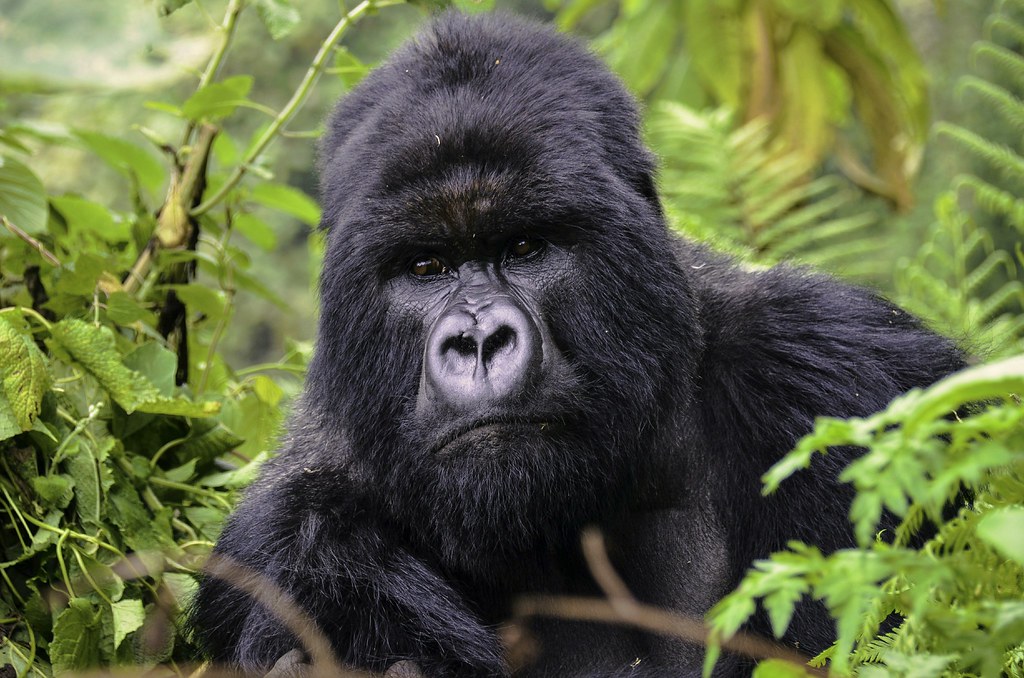
Bwindi Impenetrable National Park, is most famous for being home to nearly half of the world’s remaining mountain gorillas, making it one of the premier destinations for a “once-in-a-lifetime” gorilla trekking experience
- Gorilla trekking experience
The experience here is nothing short of spiritual. Trekking through the dense, tangled undergrowth—fittingly named “impenetrable”—requires effort, but the reward is life-changing. Standing just meters away from a massive Silverback, whose gentle eyes hold a depth of wisdom, is a moment of pure magic. For one hour, you are a guest in their family, witnessing the tender bonds between mothers and infants and the quiet power of the group’s protector.
You can track one of the 19–25 habituated gorilla groups across four sectors: Buhoma, Ruhija, Rushaga, and Nkuringo. Bwindi is also the only place offering the Gorilla Habituation Experience, allowing four hours with a group instead of the standard one hour.
 Primate Diversity:
The park supports 10 other primate species, including chimpanzees, L’Hoest’s monkeys, and black-and-white colobus monkeys.
Rare Mammals: Though often hidden by dense foliage, the park is home to forest elephants, leopards, and various antelope species like duikers.
- Paradise for birding
Bwindi Impenetrable National Park is a premier African birding destination, boasting over 350 species, including 23 of the 24 Albertine Rift endemics, making it 90% endemic-rich.
Peak birding is during the rainy season (March-May, Oct-Dec)
Bird Species and Highlights
- Highly Sought-after Species: African Green Broadbill (specialty), Shelley’s Crimson-wing, Chapin’s Flycatcher, and Grauer’s Warbler.
- Albertine Rift Endemics: Regal Sunbird, Blue-headed Sunbird, Purple-breasted Sunbird, Rwenzori Turaco, Bar-tailed Trogon, Kivu Ground Thrush, and Handsome Francolin.
- Other Notable Sightings: Great Blue Turaco, Black Bee-eater, Yellow-eyed Black Flycatcher, and various sunbirds and greenbuls.
Top Birding Locations and Trails
- Mubwindi Swamp (Ruhija Sector): Recognized as the top spot, specifically for the African Green Broadbill and specialized bamboo-zone birds.
- Buhoma Waterfall Trail: A scenic, lower-altitude trail excellent for spotting the Red-throated Alethe, Yellow-streaked Greenbul, and various monkey species.
- Rushaga & Nkuringo Sectors: Offers, pristine, remote forest birding opportunities.
- Ivy River Trail: A long, rewarding trail often recommended for viewing a wide variety of birds.
Some tips for Birders
- Best Time to Visit: While open year-round, March to May and October to mid-December are excellent, as they coincide with the breeding season and the presence of migratory species.
- Essential Gear: Waterproof hiking boots, warm clothing, binoculars, and a camera with a good zoom lens are essential for the often-misty forest environment.
- Guides: Hiring a specialized birding guide is highly recommended to help navigate the dense forest and locate endemic species.
Bwindi is a unique destination where you can combine world-class birding with mountain gorilla trekking.
- Cultural Heritage
- Batwa Cultural Experience: You can meet the Batwa people, the indigenous “Keepers of the Forest,” who lived as hunter-gatherers in Bwindi for millennia. Their tours demonstrate ancient survival skills, traditional dances, and medicinal plant knowledge.
- Breathtaking Scenery & Hiking
The “impenetrable” forest is an ancient landscape dating back over 25,000 years.
- Diverse Trails: Even without tracking gorillas, you can explore trails like the
Waterfall Trail in Buhoma or the Rushura Hill Trail, which offers views of the Virunga Mountains and Lake Edward.
- Lush Biodiversity: The park features over 400 plant species, 220 butterfly species, and a dramatic mist-covered canopy.
Why Visit Uganda
Uganda offers a “best of both worlds” safari that few other African nations can match. It is a place where you can spend the morning with mountain gorillas in a mist-shrouded forest and the afternoon watching lions in trees across a golden savannah. With its welcoming people, diverse landscapes, and commitment to conservation, Uganda isn’t just a place to see wildlife—it’s a place to reconnect with the wild itself. Your adventure in the Pearl of Africa awaits.
It is stress free if you contact an experienced tour operator, you will be glad you did!
Would you like a tailor made wildlife safari in Uganda?[/vc_column_text][/vc_column][/vc_row]