
Climbing Mount Kilimanjaro in a thriving and exciting adventure but at the same time challenging and risky. Characterized with the chances of attracting high altitude sickness and possibility of suffering from physical injury. Therefore, following rules and regulation of mountain climbing is key to ensuring the safety of all people participating in this activity. We have gone through the Mt Kilimanjaro rules and regulation as set by the government and mountain management authority. Get to know these rules such that you can plan and prepare for your trip beforehand.
Introduction to Climbing Mount Kilimanjaro-Mt Kilimanjaro rules
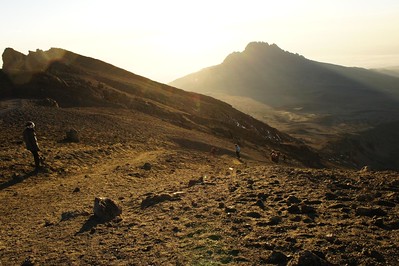
Mountain Kilimanjaro located in northern Tanzania has the highest peak from sea level across Africa. The peak is called Kibo and stands at a height of 5895 meters from sea level. The park is also known for the varying landscape which reflect its eco diversity that support the biodiversity of the park. The mountain is also a treasure to local natives of Chagga and Masai tribes that believe that the mountain poses a spiritual power.
Importance of Regulations-Mt Kilimanjaro rules
Regulation and rules are crucial for ensuring the safety of climbers in high altitudes. Climbing high altitudes is associated with sickness and the physical injury risk. These rules are designed to mitigate these risks and ensuring that every climber finish their experience unaffected.
Certified Guides and Tour Operators
Mt Kilimanjaro
To participate in trekking mountain Kilimanjaro, you are required to higher an experienced and certified guide. These people have experience on how to deal with any emergency that can occur during the trek. They also know all the trails and routs to the three peaks of the mountain and lastly, they are knowledgeable about any weather change that may occur during the adventure. Therefore, for due to their importance, it has been made mandatory for any trekker to hire the guide for a memorable experience.
Altitude Acclimatization
Get used to the new altitude height is crucial for the successful climbing of mountain Kilimanjaro. Effort must be made to ensure that the body is trained to be able to deal with ever reducing oxygen. Therefore, climbers are advised to keep taking drinking water and take enough rest to enable body to ascend to the oxygen change. This help to mitigate the risks of high altitude-related illnesses such as acute mountain sickness, high altitude pulmonary edema, and high-altitude cerebral edema.
Emergency Protocols-Mt Kilimanjaro rules
The regulation includes emergency protocol. The certified trained guide is taught how to deal with emergency situation like the changing weathers, healthy emergency and any other emergency. They are also taught how to communicate with the authority and emergency team in case of any escalating situation. But before all that they are trained on how to give first aid to any affected team member to ensure the wellbeing of all the travelers.
Gear and Equipment Requirements
 Climbers are advised on what equipment they must come with during the climbing that will be of a great importance during the safari. The list of essential equipment includes appropriate clothing for varying weather conditions, sturdy hiking boots, sleeping equipment suitable for cold temperatures. Then personal items such as sunscreen, sunglasses, and a headlamp are also packed. On top of that you are required to carry enough water and energy giving snacks that you will take while on your trip.
Physical Fitness and Health Considerations
Mountain climbing is both physically and mentally challenging activity. Therefore, it will require you to be at a certain degree of healthy status to successfully participate in it comfortably. Climbers are always advised to do medical checkup before participating in the activity. This is done to ensure that you are all in good health to carry out the climbing.
Environmental Considerations-Mt Kilimanjaro rules
In addition to safety regulations, climbers are expected to adhere to environmental guidelines. These are aimed at minimizing their impact on the fragile ecosystems of Mount Kilimanjaro. Leave No Trace principles, which promote responsible outdoor ethics. This should be followed to preserve the natural beauty and integrity of the mountain. This includes packing out all waste, avoiding unnecessary disturbance to wildlife, and respecting designated camping areas and trails.
Conclusion-Mt Kilimanjaro rule
In conclusion, regulations and rules for climbing Mount Kilimanjaro are essential for ensuring the safety of climbers. It also promotes responsible outdoor recreation in a challenging and pristine environment. By adhering to these regulations, climbers can minimize risks and enhance their overall experience. They can also contribute to the conservation of Mount Kilimanjaro for future generations to enjoy. Whether embarking on the ascent for personal achievement or to experience the unparalleled beauty of Africa’s highest peak. Climbers must prioritize safety and preparation. Adherence to regulations to make the most of their Kilimanjaro adventure.
Our packages