

Tanzania Safari vs. Kilimanjaro Hiking: The Ultimate Guide
Choosing between a Tanzania safari and hiking Mount Kilimanjaro isn’t just a travel decision—it’s a choice between two fundamentally different ways of experiencing East Africa. Both are iconic, both are unforgettable, and both offer something unique that you simply can’t replicate anywhere else in the world. If you’re planning a trip to Tanzania, understanding the differences between these two adventures will help you make the right call—or even better, combine them into one extraordinary journey.
This guide breaks down everything you need to know in detail, from experience type and cost to physical demands and emotional payoff, so you can confidently decide which path is right for you.
Understanding the Core Difference
At the highest level, the difference is simple:
- A Tanzania safari is about observing nature
- A Kilimanjaro climb is about conquering a challenge
But that simple distinction hides a lot of nuance. Let’s go deeper.
What a Tanzania Safari Is Really Like
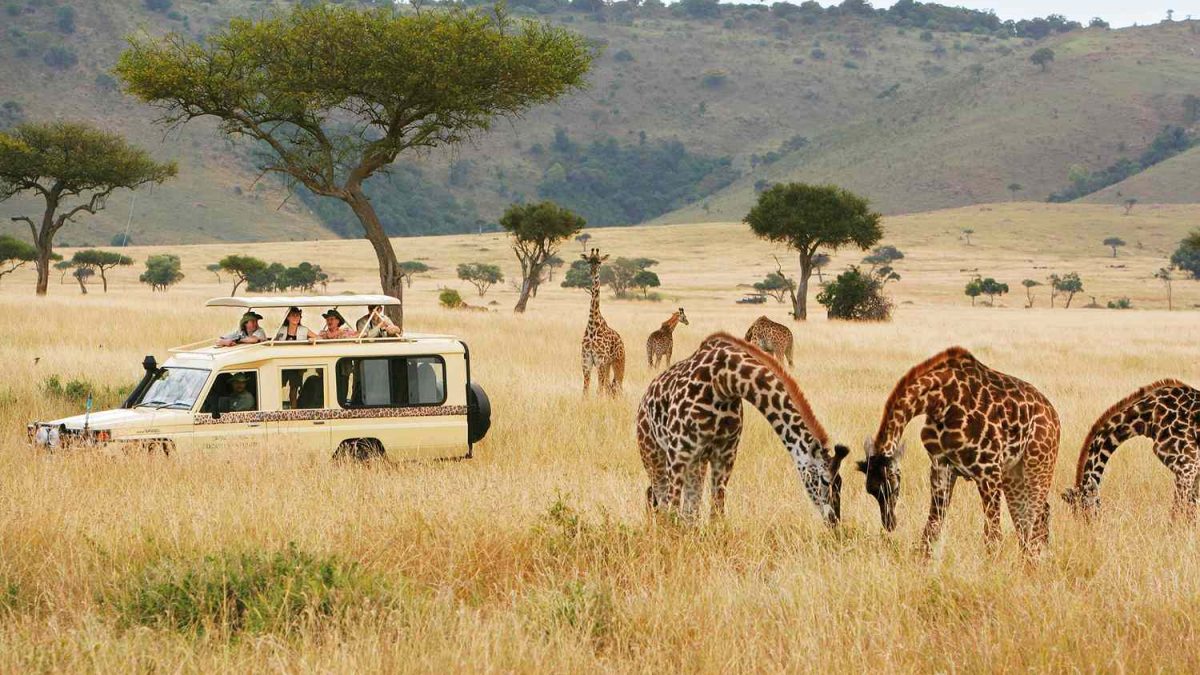
 A safari in Tanzania is one of the most immersive wildlife experiences on Earth. You’ll travel through vast ecosystems filled with animals in their natural habitat, guided by experienced professionals who know exactly where to find the action.
The most famous safari destinations include:
- Serengeti National Park
- Ngorongoro Crater
- Tarangire National Park
Daily Safari Experience
Your day typically starts early, often before sunrise. After a quick coffee, you head out in a 4×4 vehicle for a game drive. This is when predators are most active, and you might witness lions hunting or leopards returning from a nighttime kill.
Midday is for rest—usually back at a lodge or tented camp—followed by another game drive in the late afternoon. Evenings are spent relaxing, dining, and sharing stories around a fire.
Wildlife You Can Expect
Tanzania is home to the “Big Five”:
- Lions
- Elephants
- Buffalo
- Leopards
- Rhinos
But that’s just the beginning. You’ll also see giraffes, zebras, wildebeest, hippos, crocodiles, and hundreds of bird species.
One of the most spectacular events is the Great Migration, where millions of wildebeest move across the Serengeti ecosystem in search of fresh grazing.
What Hiking Mount Kilimanjaro Is Like
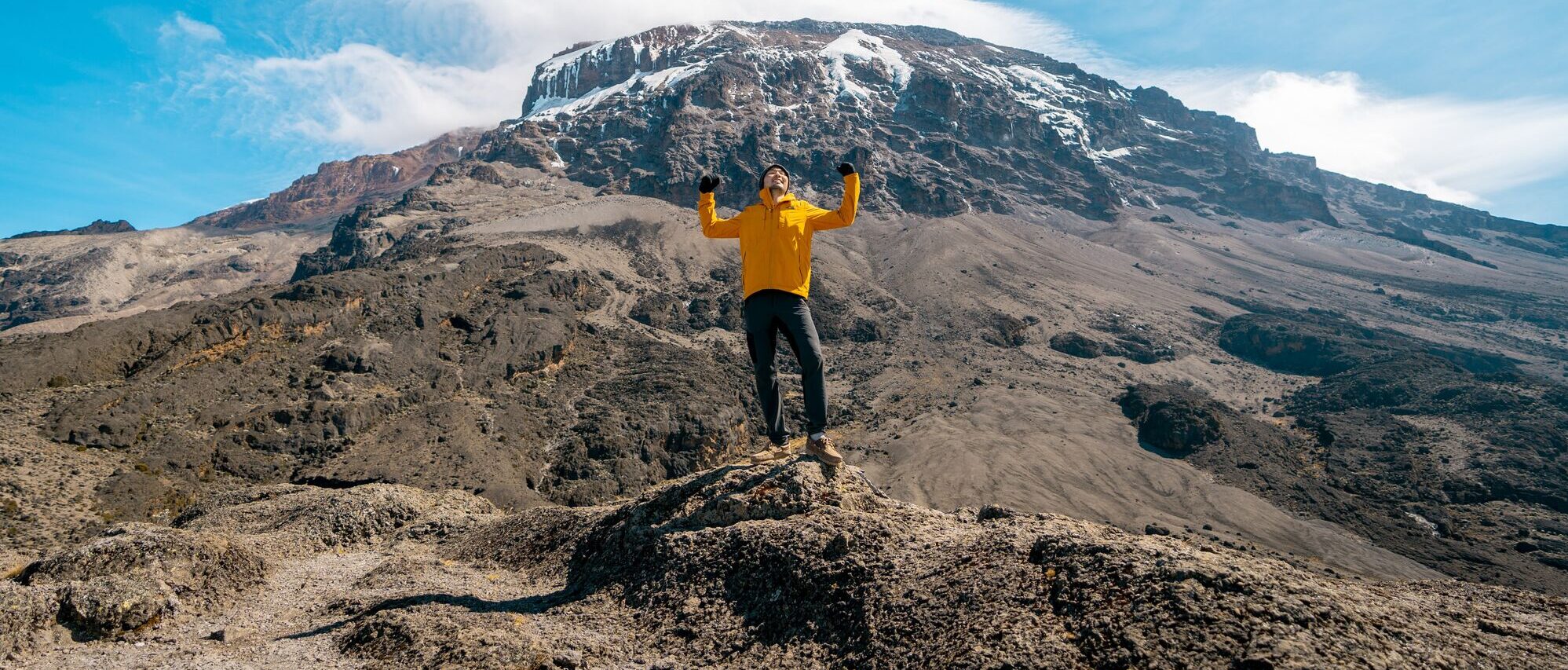 Climbing Mount Kilimanjaro is a completely different kind of experience. At 5,895 meters (19,341 feet), it’s the highest peak in Africa and the tallest free-standing mountain in the world.
This isn’t a casual hike—it’s a multi-day expedition that pushes your physical and mental limits.
The Journey to the Summit
Most climbs take between 5 and 9 days, depending on the route. Popular routes include:
- Machame Route (scenic, moderately difficult)
- Marangu Route (simpler, hut accommodations)
- Lemosho Route (longer, better acclimatization)
Each day, you hike for several hours through dramatically changing environments:
- Rainforest
- Moorland
- Alpine desert
- Arctic summit zone
The final push to the summit usually starts at midnight. You hike in darkness, battling cold, altitude, and fatigue, arriving at Uhuru Peak at sunrise.
The Emotional Payoff
Standing on the summit is not just about the view—it’s about what it took to get there. For many, it’s a life-defining moment that represents perseverance, resilience, and personal achievement.
Physical Demands: Comfort vs. Challenge
This is one of the biggest deciding factors.
Safari: Low to Moderate Effort
You’ll spend a lot of time sitting in vehicles, with occasional short walks. It’s accessible to almost anyone, regardless of fitness level.
Kilimanjaro: High Effort
Climbing requires:
- Good cardiovascular fitness
- Mental toughness
- Ability to handle altitude (which affects everyone differently)
You don’t need technical climbing skills, but it’s far from easy.
Comfort and Accommodation
Safari Comfort Levels
Safari accommodations range from budget camps to luxury lodges with:
- Comfortable beds
- Hot showers
- Gourmet meals
- Even swimming pools in some locations
You can tailor your experience to your budget and comfort preference.
Kilimanjaro Accommodation
On the mountain, comfort is minimal:
- Tents or basic huts
- Limited washing facilities
- Cold temperatures at higher altitudes
Meals are prepared by porters, and while they’re nourishing, they’re not luxurious.
Time Commitment
Safari
 Flexible duration: 2–7 days (or longer)
- Easy to fit into a broader itinerary
Kilimanjaro
- Fixed duration: 5–9 days
- Requires recovery time afterward
If you’re short on time, a safari is much easier to plan.
Cost Comparison
Both experiences can be expensive, but for different reasons.
Safari Costs
Depend on:
- Park fees
- Accommodation level
- Duration
Luxury safaris can be very high-end, while budget options are also available.
Kilimanjaro Costs
Include:
- Park fees
- Guides and porters (mandatory)
- Equipment and logistics
Even budget climbs can add up due to required support staff.
Best Time to Go
Safari Timing
- June to October: Best for wildlife viewing (dry season)
- January to March: Calving season in the Serengeti
Kilimanjaro Timing
- January to March: Cooler, quieter
- June to October: Most popular and stable weather
Avoid the rainy seasons for both.
Who Should Choose a Safari?
A Tanzania safari is ideal if you:
- Prefer comfort over physical strain
- Love wildlife and photography
- Are traveling with family or mixed fitness levels
- Want a relaxing yet immersive experience
It’s also perfect if this is your first time in Africa and you want a broad introduction to the region.
Who Should Choose Kilimanjaro?
Climbing Kilimanjaro is better suited if you:
- Enjoy physical challenges
- Want a meaningful personal achievement
- Have good fitness and preparation time
- Are comfortable with basic living conditions
This is less about sightseeing and more about self-discovery.
Can You Do Both?
Yes—and it’s actually the best option if you have the time and budget.
Many travelers combine:
- Kilimanjaro climb
- Safari afterward
This order makes sense because:
- You conserve energy for the climb
- You recover and relax on safari
After days of intense hiking, sitting in a safari vehicle watching elephants roam the plains feels incredibly rewarding.
Psychological Experience: Observation vs. Transformation
A safari is outward-facing. You observe nature, animals, and ecosystems. It’s awe-inspiring but relatively passive.
Kilimanjaro is inward-facing. It tests your limits, your mindset, and your endurance. It changes how you see yourself.
Both are powerful—but in very different ways.
Common Mistakes to Avoid
Choosing Kilimanjaro Without Preparation
Underestimating the climb is a common mistake. Altitude sickness, fatigue, and weather can make it much harder than expected.
Choosing Safari Expecting Constant Action
Wildlife sightings aren’t guaranteed every minute. Patience is part of the experience.
Not Considering Recovery Time
If you combine both, don’t underestimate how tired you’ll be after the climb.
Final Decision Guide
If you’re still unsure, here’s a simple way to decide:
- Choose Safari if you want comfort, wildlife, and a relaxed pace
- Choose Kilimanjaro if you want challenge, achievement, and personal growth
- Choose Both if you want the ultimate Tanzania experience
Final Thoughts
There’s no wrong choice here—only different kinds of unforgettable.
A safari in Serengeti National Park can give you moments you’ll replay for the rest of your life: a lion’s roar at dawn, elephants crossing your path, endless golden plains.
Climbing Mount Kilimanjaro can give you something equally powerful: the realization that you’re capable of far more than you thought.
If you can, do both. If not, choose the one that aligns with the kind of story you want to tell when you come back.