

Wildebeest Migration in Serengeti is one of the most celebrated annual wildlife events in the world. It involves the movement of over 2.5 Million Wildebeests, gazelles and Zebras across the endless plains of Serengeti National Park.
The Serengeti National Park is widely regarded as one of the most famous and greatest wildlife destinations. It is Tanzania’s Oldest wildlife reserve with one of the most distinct ecosystems and home to the Big 5 which include Lions, Leopards, Elephants, Buffalo and Rhino. Serengeti National Park boasts of other animals like Giraffes, Baboons, Monkeys, elands, Topis, Impala, Hyenas, over 500 species of birds among other animals that can be frequently spotted.
Serengeti National Park covers 5,700 square miles on the Northern boarder with Kenya. The concentration of wildlife and Serengeti’s unique vast open grasslands makes it a unique location for animal documentaries and a top wildlife destination in Africa.
While Serengeti National Park boasts of the Big Five, Endless plains, Rocky outcrops, rivers, diverse and abundant wildlife, Serengeti is famed for the annual Great Wildebeest Migration. The Journey of the great Wildebeest Migration starts in the Southern Serengeti when wildebeest Calves are born. The calving season of the Great Migration occurs every year between January and March.
The mass movement of wildebeest accompanied by large numbers of Zebra, eland and Thomson gazelle through the landscape and open plains is a truly breathtaking experience.
The Great Migration Schedule
January To March – Wildebeest Calving in Ndutu Area

During this period, the wildebeests arrive in Ndutu Area. During this period, the migration in the south of the Serengeti begins. There is Massive herds grazing on open plains and during this season thousands of calves are born. Between February and March, it is a peak calving season and baby grazing animals with lots of predator activities. The presence of food and water creates a conducive environment for wildebeest calving.
April to May – Central Serengeti (Seronero)
During this season, the wildebeest herds begin mass movement to Northwest for fresher pastures across the eastern and central Serengeti (Seronero area). The movement is done together with thousands of Zebras and some antelopes. For the clients travelling between April and May, this is the best time to enjoy the wildest Migration in Seronero area of central Serengeti.
June – Western Corridor (Togoro area)
It is during this period that the herds are moving towards the western Serengeti also known as the Western corridor, the Togoro area. This area is known to be the starting point of the annual Wildebeest Migration River Crossing. The June is a good time to watch Grumeti River crossing and this river presents a challenge for the herds. Many animals attempt to cross the crocodile-infested waters and the herds which succeed in the crossing continue with grazing towards the northern Serengeti.
July to September – Wildebeest Migration and Crossings in North Serengeti
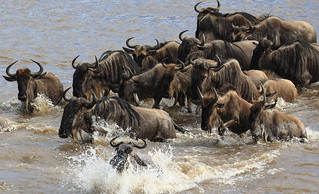
This is the best time and most interesting for Wildebeest migration in Serengeti. The popular Kogatende and Lobo areas form part of the Northern Serengeti. This region of the Serengeti National Park is close to the Kenyan border. And during this time of the year, the wildebeests are in Millions in both Serengeti and Masai Mara. The Migration continues northwards of Serengeti and the herds move from Tanzania into the grasslands of Masai Mara in Kenya.
October-November – Northern Seronera, Loliondo, Lobo Area
The marks the beginning of short rains and the herds start making their way back to Serengeti. The wildebeest face challenges of heavy waters of the Mara River as they prepare to cross again. This is less thrilling as wildebeest don’t cross at ago but it is also worthy paying attention to.
Beyond November the circle will continue and be completed when the wildebeest return to the southern Serengeti where they will settle by January as they prepare for the calving season. Remember the circuit begin with the calving season that takes place at Ndutu conservation area between January and march
Related safari package for Tanzania northern circuits and beyond
[/vc_column_text][/vc_column][/vc_row]
10 Day Wildebeest and gorillas vacation safaris

Embark on a captivating journey through the heart of East Africa as we invite you to explore the enchanting landscapes, vibrant cultures, and rich biodiversity of Rwanda and Tanzania. This meticulously crafted 10-day itinerary promises an immersive experience, seamlessly blending the awe-inspiring encounters with gorillas
| TRIP DETAILS |
| REQUEST INFO |
6 Day Wildebeest and gorilla trekking safari
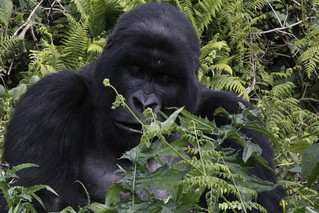
Book 6 Days Ngorongoro crater visit and Rwanda gorilla trekking to explore Tanzania & Rwanda on an Africa Safari experience tailored by Active African vacation the leading Safari operator in Uganda. The 6 Days Tanzania Rwanda Safari takes you to the great Ngorongoro crater reserve for an amazing wildlife experience.
| TRIP DETAILS |
| REQUEST INFO |
7 Day Rwanda-Tanzania vacation safari
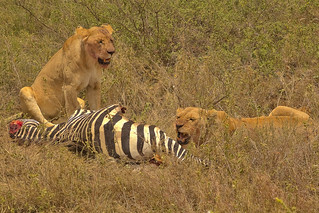
Depending on the degree of lodging, the time of year, and the particular parks and activities included a 7-day safari in Rwanda and Tanzania might have somewhat different costs. Along with activities to do in every park, below is a sample schedule including expected expenses for middle-class, budget, and luxury alternatives.
| TRIP DETAILS |
| REQUEST INFO |