

Kenya is one of Africa’s most iconic safari destinations, offering an unparalleled combination of wildlife, landscapes, and cultural experiences. Known as the birthplace of the “African safari” the East African country boasts thousands of travelers all year round to explore its incredible animal habitats and other attractions.
Whether you’re planning to witness the Great Wildebeest Migration in the Maasai Mara or explore the lesser-known wonders of Samburu or Amboseli, preparation for a Kenya safari is key. Here are 15 top things to know before embarking on your Kenya safari adventure, from getting to and around the country, to the best time to visit and what to pack, you name it.
Getting to Kenya
Located in Nairobi, Jomo Kenyatta International Airport (JKIA) is the main entry point into Kenya. As one of East Africa’s busiest airports, the airport is a key hub for flights connecting to destinations worldwide. For travelers heading to popular safari destinations like the Masai Mara, Amboseli, or Samburu, light aircraft flights are available from Wilson Airport, located about 15 kilometers from JKIA. It is a 1-hour and 30-minute transfer between the two airports, depending on traffic, so plan your connection carefully.
Getting Around in Kenya
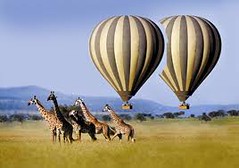
There are various ways to get around in Kenya with various transport options that suit all budget preferences. Domestic flights offer a quick and efficient way to reach Kenya’s top safari regions like Masai Mara and Amboseli, reducing travel time. These typically cost between $100 and $300 one-way, depending on the season and aircraft.
From the bush airstrip, transfers to safari lodges are conducted in comfortable 4×4 safari vehicles. However, road trips are also popular for those on a budget, with car rental prices averaging $50 to $120 per day for a standard vehicle while guided safari vehicles cost around $150 to $250 daily, excluding fuel.
Travelers on an even smaller budget can opt for public transport means including matatus (shared minibusses) to connect to major cities like Mombasa and Nairobi. Long-distance bus services such as Modern Coast and Dreamline connect major towns and cities to the countryside.
On the other hand, train enthusiasts can also enjoy the modern Madaraka Express, offering a scenic journey between Nairobi and Mombasa. This 15-hour journey takes you through Kenya’s spectacular gems including Tsavo West and East National Parks.
Best Time to go on a Kenya Safari
While Kenya is a year-round safari destination, the best time to go on a Kenya safari is during the dry seasons from June to October and January to February, when the weather is ideal for wildlife viewing. During these months, animals are easier to spot as they gather around water sources, and the savannahs are less dense, providing clear views for photography.
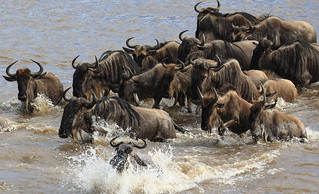
Moreover, the highlight of this period is the Great Wildebeest Migration, which peaks in the Maasai Mara between July and October, showcasing dramatic river crossings and abundant predator-prey encounters.
While the wet seasons (March to May and November) bring lush greenery and fewer crowds, they also boast the presence of migratory birds, offering incredible birdwatching opportunities for avid birders. Travelers can also take advantage of the discounted rates at many lodges in safari parks.
Choosing the Right Safari Destination
Choosing the right destination for your Kenya safari is essential for a truly tailored and unforgettable experience, as the country boasts diverse landscapes and unique wildlife attractions. The Maasai Mara National Reserve is perfect for witnessing the Great Migration (July to October) and spotting predators like lions and cheetahs in action.
For an iconic backdrop of Mount Kilimanjaro and large elephant herds, head to Amboseli National Park, and if you are fascinated by rare species, Samburu National Reserve offers sightings of the “Samburu Special Five,” including Grevy’s zebra and Somali ostrich.
Lake Nakuru National Park is famous for its rhino sanctuary and flamingo-filled alkaline lake, while the Tsavo East and West National Parks provide expansive landscapes for those craving solitude and off-the-beaten-path adventures.
For marine wildlife lovers, consider adding Diani Beach or Watamu to your Kenya safari itinerary. Understanding the highlights of each destination ensures your Kenya safari aligns with your interests, whether it’s big cats, birdwatching, or scenic beauty.
Visa Requirements and Other Travel Documents
Most travelers require a visa to enter Kenya. You can apply for an eVisa online which is the most convenient. This costs $51 for a single-entry visa and is typically processed within 2 to 3 business days. Some travelers, such as East African Community citizens, enjoy visa-free entry, while others may qualify for a Transit Visa costing $21 for shorter stays.
In addition to a valid visa, you’ll need a passport valid for at least six months with at least two blank pages. You’ll also need to carry a copy of your return air ticket, travel itinerary, hotel booking, and a copy of your travel insurance policy covering health and emergencies, for added security.
Vaccinations and Health Precautions
A yellow fever vaccination certificate is a must-have when planning to go on a Kenya safari (at least 8 weeks before travel). You can also consult your doctor about other recommended vaccinations, such as hepatitis A and B, typhoid, and meningitis. Have your doctor also prescribe some anti-malarial medication as malaria is prevalent in Kenya.
Understanding Currency in Kenya
The Kenyan Shilling (KES) is the local currency in Kenya; however, US dollars are also widely accepted in major towns and safari lodges. You can also use your credit card in major lodges, but cash is necessary for tipping and small purchases in remote areas. It is essential to carry small quantities for convenience.
Packing for a Kenya Safari
Packing for a Kenya safari requires careful consideration for a comfortable and memorable experience. Pack lightweight, neutral-colored clothing that blends into the surroundings and keeps cool in the heat, long-sleeved shirts and pants to protect against sunburn and insects during safaris, and quality walking shoes for navigating uneven terrain.
Don’t forget a wide-brimmed hat, sunglasses, and sunscreen for sun protection, as well as a reusable water bottle to stay hydrated. You’ll also need binoculars, a camera with extra batteries, and a power bank for smooth sightseeing and wildlife photography.
Pack a rain poncho and a warm jacket for chilly mornings and evenings, especially if you are visiting during Kenya’s cooler months. Lastly, remember to pack a medical kit and eco-friendly toiletries.
Understanding Safari Costs
Kenya safari costs often vary based on factors such as the type of accommodation, the duration of your trip, and the season you choose to visit. Luxury lodges and private tours come at a “top-tier;” while mid-range camps and group safaris offer more budget-friendly options without sacrificing comfort.
Another important factor is the park entry fees, which can range from $40 to $100 per person per day. Additional costs may include transportation, such as charter flights to remote parks or 4×4 vehicle hire, and optional activities like hot air balloon rides or guided bush walks. Tipping guides and lodge staff is customary and should be factored into your budget.
Understanding these aspects will help you select a safari experience that aligns with your expectations and financial plans while supporting Kenya’s vital wildlife conservation initiatives.
Tipping in Kenya
While tipping is not mandatory in Kenya, it is highly appreciated as a customary way of showing appreciation for excellent service. In Kenya, you can tip guides, drivers, and lodge staff who contribute to making your safari experience memorable.
For safari guides, a tip of about $10–$20 is customary, while lodge staff often share pooled tips, with $5–$10 per person. It’s advisable to carry small denominations in US dollars or Kenyan shillings for tipping convenience. Ensure tips are handed over discreetly or placed in the designated tipping box if available.
Local Culture in Kenya
Understanding the local culture enriches your overall Kenya safari experience. Kenya is a diverse nation with over 40 ethnic groups, including the Maasai, Kikuyu, and Luo, each with unique traditions, languages, and customs.
Learning basic Swahili phrases, respecting local dress codes, and understanding cultural norms can help you navigate social interactions respectfully. These include learning basic greetings, dressing modestly, and respecting the local’s privacy.
Wildlife Etiquette in Kenya
Understanding the rules and guidelines regarding wildlife is crucial when going on a Kenya safari. Some of these include maintaining a safe distance while observing animals in their natural habitat to avoid provoking aggression, adhering to the guidance of your safari guide, maintaining low tones of voice while in the presence of wildlife, and never attempting to feed the animals.
Other guidelines include respecting park rules, such as staying inside designated areas and vehicles to preserve the environment and protect you from potential dangers.
Safety and Security in Kenya
Kenya is generally safe for tourists but like any other safari destination, it is important to stay vigilant while on your safari. Ensure that you work with reputable tour operators, who are familiar with the country’s locations and conditions.
Take precautions in urban centers like Nairobi and Mombasa by avoiding isolated areas, especially after dark, and keeping your valuables secure. Check government travel advisories for the latest safety and security updates, particularly regarding specific regions that you are interested in, and ensure you have appropriate travel insurance.
Connectivity and Power
Staying connected during your Kenya safari is quite easy, thanks to the country’s expanding mobile and internet networks. Many lodges in major safari destinations often provide Wi-Fi, though speeds may vary in remote areas. For consistent connectivity, consider purchasing a local SIM card from providers like Safaricom or Airtel, which offer affordable data packages and good network coverage in most regions.
Sustainability and Conservation
Before embarking on a Kenya safari, understanding the country’s conservation efforts helps you travel responsibly. Kenya is renowned for its commitment to protecting its wildlife and ecosystems through national parks, conservancies, and community-led initiatives.
Organizations like the Kenya Wildlife Service and local conservancies work tirelessly to combat poaching, preserve endangered species, and promote sustainable tourism. You can contribute to this initiative by opting to stay in eco-friendly lodges and choose to work with local safari operators to contribute to local communities. You can also consider donating to reputable conservation programs.
popular gorilla safaris for Uganda and Rwanda
[/vc_column_text][/vc_column][/vc_row]
10 Day wildebeest and gorilla trekking safari
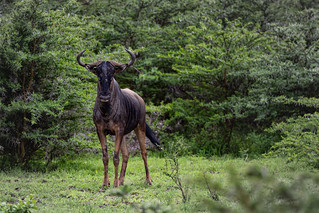
Embark on a captivating journey through the heart of East Africa as we invite you to explore the enchanting landscapes, vibrant cultures, and rich biodiversity of Rwanda and Tanzania. This meticulously crafted 10-day itinerary promises an immersive experience, seamlessly blending the awe-inspiring encounters with Rwanda’s majestic gorillas and golden monkeys
| TRIP DETAILS |
| REQUEST INFO |
10 Days Kilimanjaro and gorilla trekking safari
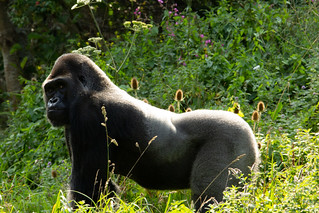
This 10 days Kilimanjaro & Gorilla safari brings you to the highest peak of the tallest mountain in Africa standing at 5895m above sea level. Mountain Kilimanjaro is the longest single-standing mountain in the world. Although there are 6 routes for hiking the mountain Kilimanjaro, which are; the Shira (Londorossi) route, Lemosho route, Machame route, Umbwe route, Maranggu route, and Rongai route.
| TRIP DETAILS |
| REQUEST INFO |
14 Day best of Rwanda and Tanzania vacation safari
Embark on an extraordinary 14-day journey through the heart of East Africa, where the tapestry of nature unfolds in its most magnificent and untamed form. This meticulously crafted itinerary invites you to traverse three captivating countries – Rwanda, Kenya, and Tanzania – each offering a unique blend of culture, wildlife, and breathtaking landscapes.
| TRIP DETAILS |
| REQUEST INFO |