

Tanzania is one of Africa’s most celebrated safari destinations, boasting iconic national parks, abundant wildlife, and spectacular habitats. Home to iconic attractions like the Serengeti National Park, Ngorongoro Crater, and Mount Kilimanjaro, Tanzania provides unmatched opportunities to witness the awe-inspiring Great Migration and encounter the Big Five.
Whether you’re exploring the vast savannahs, lush forests, or pristine beaches of Zanzibar, Tanzania delivers a unique blend of wildlife experiences and cultural richness. Perfect for nature enthusiasts and adventure seekers, a Tanzanian safari promises an adventure like no other, but like any other African safari, preparation is key. Here are the top 15 things to know before going on an African safari;

Getting to Tanzania
Getting to Tanzania is quite easy, with multiple international and regional travel options available. Tanzania is well-connected through major airports like Julius Nyerere International Airport (Dar es Salaam), Kilimanjaro International Airport (near Arusha), and Abeid Amani Karume International Airport (Zanzibar).
Direct flights from Europe, the Middle East, and Africa are available, while domestic flights and road networks ensure smooth transfers to popular safari destinations like the Serengeti and Ngorongoro Crater. Tanzania offers convenient entries to begin your unforgettable adventure, whether arriving by air or exploring cross-border routes from neighboring countries (Uganda, Rwanda, and Kenya)
Best Time to Visit Tanzania
The best time to go for a Tanzania safari depends on the type of safari experience you are looking for. For the Great Migration in the Serengeti, the ideal time to visit is between June and October when the herds are in the northern Serengeti, and the river crossings offer spectacular wildlife sightings.
However, the calving season in the southern Serengeti and Ngorongoro takes place from January to March, another incredible time to witness the migration as hundreds of thousands of wildebeest and zebras give birth. For general safari experiences, the dry season from June to October is perfect for wildlife viewing, as animals concentrate around waterholes, making sightings easier.
On the other hand, the green season (November to May) is a great time for birdwatching and enjoying lush landscapes, though some areas may be harder to access due to heavy rain.
Visa Requirements and Travel Documents
Most visitors to Tanzania require a tourist visa, which can be obtained on arrival at major airports or in advance through the Tanzanian embassy or online via the eVisa system. A single-entry Tanzania tourist visa costs $50 while a multiple-entry visa costs $100.
Additionally, you should ensure that you have a valid passport for at least six months beyond the date of entry, a return air ticket, a travel itinerary, and sufficient funds for your stay. It’s important to check the latest travel advisories and requirements before departure to ensure a hassle-free safari experience.
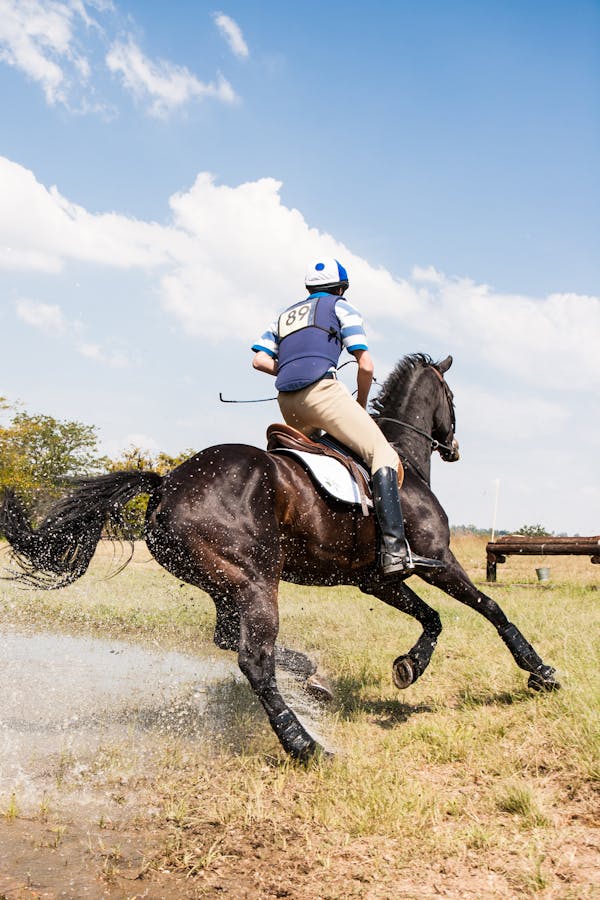
A tourist engaging in horseback riding at Chyulu Hills National Park
Vaccinations and Health Precautions
Before going on a Tanzania safari, it’s essential to take certain health precautions and get the necessary vaccinations to ensure a safe and enjoyable trip. Common recommended vaccinations for travelers include yellow fever, typhoid, hepatitis A and B, and anti-malarial treatment.
It’s also advisable to consult with a healthcare provider well in advance to discuss specific health needs based on your personal medical history and the regions you plan to visit. Additionally, taking health precautions against insect bites and staying hydrated during your safari can help prevent common illnesses. Stay up-to-date with the latest health guidelines and vaccination requirements.
Safari Destinations to Visit in Tanzania
Understanding the various Tanzania safari destinations and what they offer is also crucial when planning your Tanzania safari. Serengeti National Park, Tanzania’s most famous safari destination is renowned for the Great Migration and its diverse array of animals, including the Big Cats.
Explore the Ngorongoro Crater, a UNESCO World Heritage site, home to a vast concentration of wildlife in a collapsed volcanic caldera. Tarangire National Park is famous for its large elephant herds and iconic baobab trees, offering a quieter and more intimate safari experience.
Lake Manyara National Park, known for its tree-climbing lions and abundant birdlife including thousands of pink flamingos, is another great destination for nature lovers. For an off-the-beaten-path adventure, consider visiting Selous Game Reserve to experience Tanzania’s less crowded, pristine wilderness.
For a more adventurous experience, consider unwinding at the pristine Zanzibar Archipelago, famous for its white-sand beaches, crystal-clear waters, and rich cultural heritage. Other islands like Pemba and Mafia Island offer secluded beaches and excellent diving spots. Tanzania safaris offer a perfect combination of wildlife adventures and coastal relaxation, making Tanzania a complete safari destination.
Currency and Payments in Tanzania
Understanding the currency and payment systems before going on a Tanzania safari is important to your overall experience. While the official currency in Tanzania is the Tanzanian Shilling (TZS), US dollars are also widely accepted in major towns, tourist areas, and national parks. But it’s advisable to carry a mix of both currencies for convenience.
There are ATMs available in major cities like Arusha and Dar es Salaam, where you can withdraw Tanzanian Shillings, and credit cards are accepted at larger establishments. However, carry some cash for smaller purchases and tips. Always exchange money at official banks or exchange bureaus for the best rates during your safari.
Tanzania Safari Cost
This is arguably the most crucial thing to know before going on a Tanzania safari. In Tanzania, a budget safari typically costs between $150 to $250 per person per day, with basic accommodations and group tours. A mid-range safari usually ranges from $250 to $500 per person, per day, offering comfortable lodges or camps and more personalized experiences.
For a luxury safari, expect to pay $500 to $1,500 per person, per day for premium accommodations and private safaris. It is essential to remember that costs are often higher during the peak season (June to October) and lower in the green season (November to May). Additional expenses to expect include park entry fees (between $10 to $90 per day) depending on the park, transportation, and optional activities.
What to Pack for your Tanzania Safari
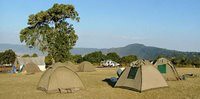
Planning for your Tanzania safari also requires packing essentially for your trip. Essential items to pack include lightweight clothing in neutral colors like khaki or beige to stay comfortable and blend with the wilderness, comfortable walking shoes, a hat, sunglasses, sunscreen, and insect repellent for protection against the sun and mosquitoes.
A light jacket is also recommended for cooler mornings and evenings. Be sure to pack a camera, binoculars, and extra memory cards to capture wildlife moments. Don’t forget the necessary medications, a first aid kit, and eco-friendly toiletries.
Food and Cuisine
Tanzanian cuisine features a mix of African, Indian, and Arab influences, with staples such as ugali (a thick maize porridge), nyama choma (grilled meat), and samosas (savory pastries). On safari, meals are often simple yet flavorful and prepared with fresh ingredients. Many lodges and camps offer buffet-style meals with a variety of options, including vegetarian and vegan choices.
Fresh fruit like mangoes and bananas is commonly served, and you may also enjoy seafood dishes while exploring coastal areas like Zanzibar. It’s important to drink bottled water to avoid waterborne illnesses. Being aware of the local food culture and any dietary restrictions you may have will ensure a more comfortable and enjoyable safari experience.
Tipping Culture
Tipping is customary in Tanzania, especially for guides, drivers, and lodge staff, to show appreciation for good service and enhance your safari experience while contributing to the community. A standard tip in Tanzania ranges from $15 to $20 per person per night for safari guides, $10 to $15 for drivers, and $5 to $10 per person per night for lodge staff. Tipping in Tanzania is best done in cash and can either be Tanzanian shillings or US dollars.
Respect Local Culture
Understanding the local culture before going on a Tanzania safari is crucial for a positive and immersive safari experience. Tanzania is home to over 120 diverse ethnic groups, each with its own customs and traditions including the famous Maasai.
Travelers ought to respect local customs especially when visiting local villages. Dress modestly, and always ask for permission before taking photos of the local people. Take time to learn basic local customs, such as greetings like “Jambo” (Hello), “Nzuri,” (I’m good), and “Asante” (Thank you). This will help you create inspiring relationships with the local communities.
Securing Travel Insurance
Securing comprehensive travel insurance is essential before going for a Tanzania safari. Travel insurance ensures you’re covered for unexpected events such as medical emergencies, trip cancellations, or lost baggage, providing peace of mind and a sense of security throughout your safari experience. Be sure to choose a policy that covers medical evacuation, wildlife encounters, and emergency assistance.
Booking with a Reputable Tour Operator
Booking your Tanzania safari with a reputable licensed tour operator is important especially if you are a first-time traveler. A trusted operator ensures a smooth and memorable experience by offering expert knowledge, reliable transportation, and access to the best safari accommodations. Tour operators offer personalized itineraries tailored to your preferences, whether you are visiting the Serengeti, Ngorongoro Crater, or Tarangire National Park. By choosing a reputable tour operator, you benefit from their experience in navigating Tanzania’s diverse attractions and ensuring your safety and comfort.
Security and Safety
Tanzania is generally a safe destination for travelers, with well-maintained national parks and a stable political environment. However, while on safari, it’s important to follow basic safety guidelines, such as staying within your safari group, adhering to the rules set by your tour operator, and being cautious in urban areas like Arusha and Dar es Salaam.
Many safari lodges and tour operators provide expert guides to ensure your safety while exploring wildlife hotspots such as the Serengeti and Ngorongoro Crater. It is often safer to prioritize your safety by booking with reputable operators, staying informed about travel advisories, and following local regulations for a secure and unforgettable adventure.
Our popular Tanzania-Rwanda safari packages
[/vc_column_text][/vc_column][/vc_row]
10 Day Wildebeest and gorillas vacation safaris

Embark on a captivating journey through the heart of East Africa as we invite you to explore the enchanting landscapes, vibrant cultures, and rich biodiversity of Rwanda and Tanzania. This meticulously crafted 10-day itinerary promises an immersive experience, seamlessly blending the awe-inspiring encounters with gorillas
| TRIP DETAILS |
| REQUEST INFO |
6 Day Wildebeest and gorilla trekking safari
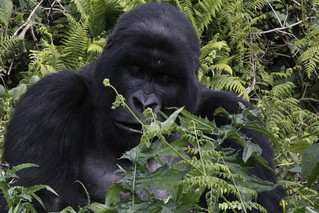
Book 6 Days Ngorongoro crater visit and Rwanda gorilla trekking to explore Tanzania & Rwanda on an Africa Safari experience tailored by Active African vacation the leading Safari operator in Uganda. The 6 Days Tanzania Rwanda Safari takes you to the great Ngorongoro crater reserve for an amazing wildlife experience.
| TRIP DETAILS |
| REQUEST INFO |
7 Day Rwanda-Tanzania vacation safari
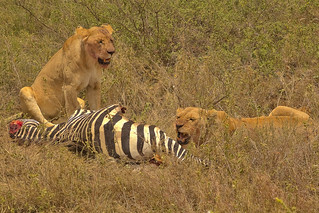
Depending on the degree of lodging, the time of year, and the particular parks and activities included a 7-day safari in Rwanda and Tanzania might have somewhat different costs. Along with activities to do in every park, below is a sample schedule including expected expenses for middle-class, budget, and luxury alternatives.
| TRIP DETAILS |
| REQUEST INFO |