

Known as the “Pearl of Africa,” Uganda is a uniquely captivating destination offering breathtaking natural wonders, rare wildlife, and vibrant cultural experiences. The East African gem enchants visitors with its diverse landscapes. From the misty Bwindi Impenetrable Forest national park, home to over half of the world’s mountain gorillas to the sparkling shores of Lake Victoria, Africa’s largest lake.
Moreover, Uganda is the only place where you can witness tree-climbing lions, trek to the source of the Nile, or explore the snow-capped peaks of the Rwenzori Mountains. With warm hospitality and immersive, one-of-a-kind adventures, Uganda offers an unforgettable journey into Africa’s most extraordinary landscapes.
Planning a safari in Uganda is an invitation to explore a world of pristine rainforests, vast savannahs, and some of Africa’s most captivating wildlife. Here is a detailed guide with the top 15 things to know before going on a Uganda Safari.
Getting to Uganda
Uganda’s primary entry point is Entebbe International Airport (EBB), a modern hub located along the serene shores of Lake Victoria, just 40 kilometers from Kampala. There are direct flights from key cities in Europe, Asia, the Middle East, Africa, and neighboring countries. Uganda can also be accessed by road from her neighboring countries including South Sudan, Rwanda, Kenya, and Tanzania. Once you arrive, Uganda’s efficient transport network ranges from scenic road trips to convenient domestic flights, which ensures easy access to iconic attractions like Bwindi Impenetrable Forest national park and Queen Elizabeth National Park.
The Best Time to go on a Uganda Safari
Uganda’s weather is generally pleasant year-round, but the dry seasons (December to February and June to September) are ideal for wildlife viewing and trekking. During these months, wildlife tends to gather around water sources, making them easier to spot in the wildlife parks.
Furthermore, trekking trails in the Bwindi and Mgahinga are less slippery, making it easier to navigate. However, the dry seasons fall into the peak tourism season which comes with high rates on accommodation, transport, safari activities, and crowded parks.
The rainy months (March to May and November to December) which often add a lush, dramatic backdrop, might make hiking slippery and sightings slightly tougher. However, this is the perfect time to take advantage of the discounted rates and fewer crowds in Uganda’s parks.
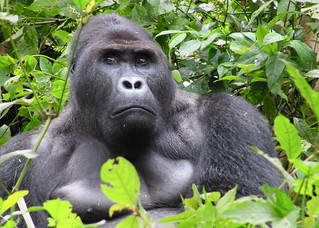
Securing Gorilla and Chimpanzee Trekking Permits in Advance
Gorilla trekking is Uganda’s crown jewel, and with just a limited number of permits issued each day in Bwindi Impenetrable Forest national park and Mgahinga National Park, they’re in high demand. Issued by the Uganda Wildlife Authority, a Uganda gorilla permit costs $800 for foreign non-residents, $700 for foreign residents, and UGX 300,000 for East African Citizens as of June 2025!
On the other hand, a chimpanzee trekking permit in Kibale Forest National Park costs $250 for foreign non-residents, $200 for foreign residents, and 180,000Ugx for East African Citizens. You can book your gorilla permit either directly or through a licensed tour operator.
Travelers are advised to always book their permits at least three months since these encounters are once-in-a-lifetime and not to be missed! The experience of watching a silverback in its natural habitat is profoundly moving and worth every bit of preparation.
Vaccinations and Health Precautions
Before going on your Uganda safari, make sure you are ready health-wise. Ensure you acquire the necessary vaccinations required to enter Uganda including the yellow fever vaccination, and vaccinations against typhoid, hepatitis A, and B.
Moreover, Malaria is present in Uganda, so it is essential to stock up on antimalarial tablets and pack a good insect repellent. While in Uganda, taking health precautions such as drinking bottled water, and sleeping under a mosquito net will let you enjoy the safari experience without worry.
Understand Visa Requirements
Uganda requires most visitors to have a visa, which you can apply for online through the Uganda Electronic Visa Application System or at the airport upon arrival. The e-visa application process costs $50 for a single-entry visa. If you plan to visit neighboring Rwanda or Kenya, consider the East African Tourist Visa, which allows multiple entries within the three countries for $100. Other documentation needed includes a valid passport for at least six months from your travel date and a few blank pages for stamps.
Pack Wisely for your Uganda Safari
Packing for a Uganda safari means balancing light, breathable clothing with a few sturdy essentials. Stick to neutral colours to avoid attracting attention from wildlife and bring a warm jacket for cool mornings. Also carry a reusable water bottle, waterproof hiking boots to navigate the terrain in the gorilla parks, a rain poncho, a sun hat and sunglasses, insect repellent, toiletries, a set of binoculars, and a good camera for bird watching, distant game viewing and enjoy amazing photography.
Currency and Payment Options
While the Ugandan Shilling (UGX) is the local currency, several hotels, lodges, and other tourism sectors accept US dollars. The country has ATMs in major cities and towns however, these may be scarce in remote areas, so carry enough cash. You will also need small denominations for tipping and market purchases. Carry a mix, as cards are often only accepted in major lodges and restaurants.
Tipping Etiquette in Uganda
In Uganda, tipping is both appreciated and customary. Guides, porters, trackers, and lodge staff are some of the people who contribute to making your experience memorable. For the guides, the standard tipping fee is around $10 – $20, and $5 – $10 for rangers, porters, and hotel staff. Ensure to give tips directly in cash to ensure they reach the individuals who helped you.
Embracing Ugandan Culture and Etiquette
Uganda’s friendly locals make visitors feel at home. A warm greeting goes a long way, and showing interest in local customs is greatly appreciated in the country. Uganda has more than 50 ethnic groups, each with unique traditions including dress code, language, and norms. visit the Batwa cultural experience in southwestern Uganda.
It is essential to show respect by dressing modestly, asking for permission before taking photos of people, and greeting locals in their language. Common greetings include “Agandi” (How are you?) in Rukiga – Runyankole and “Oli otya” in Luganda.
Food and Cuisine
Uganda boasts some of the most hearty and flavorful cuisine in Africa with delicious staples such as matooke (green bananas), posho (maize meal), cassava, beans, sweet potatoes, and groundnut sauce among others.
Fresh fish, like Nile perch, is popular around Lake Victoria, while fresh fruits can be found anywhere in the country. Uganda’s most popular street food, however, is the Ugandan Rolex – a chapatti loaded comb with fried eggs and vegetables.
The Ugandan Rolex is a must-try for everyone! On the other hand, many hotels and safari lodges cater to international tastes ranging from Italian to Asian while incorporating local ingredients. These dishes are savoured with a variety of drinks including wines, spirits, beverages, and Uganda’s best local beers.
Photography Tips in Uganda
Uganda’s landscapes and wildlife provide endless opportunities for photography. Come prepared with a good camera, a pair of binoculars, extra batteries, memory cards, and a zoom lens for distant wildlife shots. However, be mindful of park rules and guidelines, as flash photography is prohibited during gorilla trekking.
What to Expect on a Uganda Safari
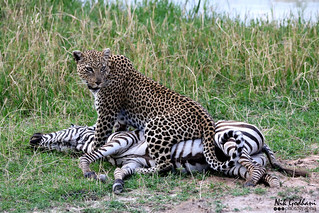
Uganda’s wildlife is wild and free roaming, meaning sightings can be unpredictable. However, with experienced guides, your chances for spotting wildlife increase, but patience is key, especially for rarer animals like leopards or shoebills. Gorilla and chimpanzee trekking usually guarantees sightings, while other safaris may yield surprises and unique, unplanned moments with nature.
What Destinations Can I Visit on a Uganda Safari?
Uganda offers an incredible range of safari destinations, each with unique experiences. Explore Bwindi Impenetrable Forest and Mgahinga Gorilla National Park for unforgettable gorilla trekking or visit Kibale Forest National Park, the primate capital of Africa for chimpanzee trekking.
Queen Elizabeth National Park boasts diverse wildlife, including tree-climbing lions, while Murchison Falls National Park features breathtaking waterfalls and exhilarating game drives. For birdwatchers, Mabamba Swamp is a haven for the elusive shoebill stork and other bird species while Lake Mburo National Park is a haven for zebras, impalas and walking safaris.
Offers Up in the far north, discover the remote wilderness of Kidepo Valley National Park with its dramatic landscapes and rare species. Each destination in Uganda promises an unforgettable safari experience!
Safari Accommodation Options
From luxury lodges to budget campsites, Uganda has accommodations for every traveler. Travelers can also choose to stay in eco-lodges within national parks, allowing for a true wilderness experience, often with views of wildlife from your doorstep.
Budget accommodation in Uganda ranges between $50 to $150 per person per night, midrange accommodation costs between $200 to $300, and luxury accommodation can range up to $1000 depending on the location and amenities. Popular luxury safari options include Mahogany Springs Lodge in Bwindi, Nile Safari Lodge in Murchison Falls, and Mweya Safari Lodge in Queen Elizabeth.
Midrange options include Queen Elizabeth Bush Lodge, and Buhoma Lodge in Bwindi. It’s best to book in advance, particularly during peak season, as the popular lodges fill up fast.
Safety and Security in Uganda
Uganda is a safe safari destination for travelers, but taking standard precautions is wise. While on your safari, stick with reputable tour guides, avoid traveling at night, and ensure to keep your valuables secure. When in national parks, listen to your guide and follow park guidelines, especially regarding wildlife. Following park rules and being cautious of your surroundings ensures a safe, worry-free adventure.
popular gorilla safaris for Uganda and Rwanda
[/vc_column_text][/vc_column][/vc_row]
10 Day wildebeest and gorilla trekking safari
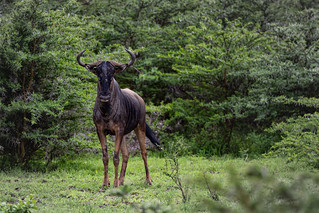
Embark on a captivating journey through the heart of East Africa as we invite you to explore the enchanting landscapes, vibrant cultures, and rich biodiversity of Rwanda and Tanzania. This meticulously crafted 10-day itinerary promises an immersive experience, seamlessly blending the awe-inspiring encounters with Rwanda’s majestic gorillas and golden monkeys
| TRIP DETAILS |
| REQUEST INFO |
10 Days Kilimanjaro and gorilla trekking safari
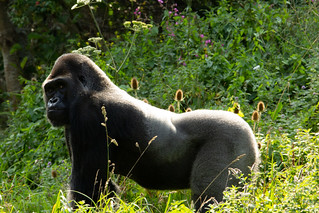
This 10 days Kilimanjaro & Gorilla safari brings you to the highest peak of the tallest mountain in Africa standing at 5895m above sea level. Mountain Kilimanjaro is the longest single-standing mountain in the world. Although there are 6 routes for hiking the mountain Kilimanjaro, which are; the Shira (Londorossi) route, Lemosho route, Machame route, Umbwe route, Maranggu route, and Rongai route.
| TRIP DETAILS |
| REQUEST INFO |
14 Day best of Rwanda and Tanzania vacation safari
Embark on an extraordinary 14-day journey through the heart of East Africa, where the tapestry of nature unfolds in its most magnificent and untamed form. This meticulously crafted itinerary invites you to traverse three captivating countries – Rwanda, Kenya, and Tanzania – each offering a unique blend of culture, wildlife, and breathtaking landscapes.
| TRIP DETAILS |
| REQUEST INFO |