
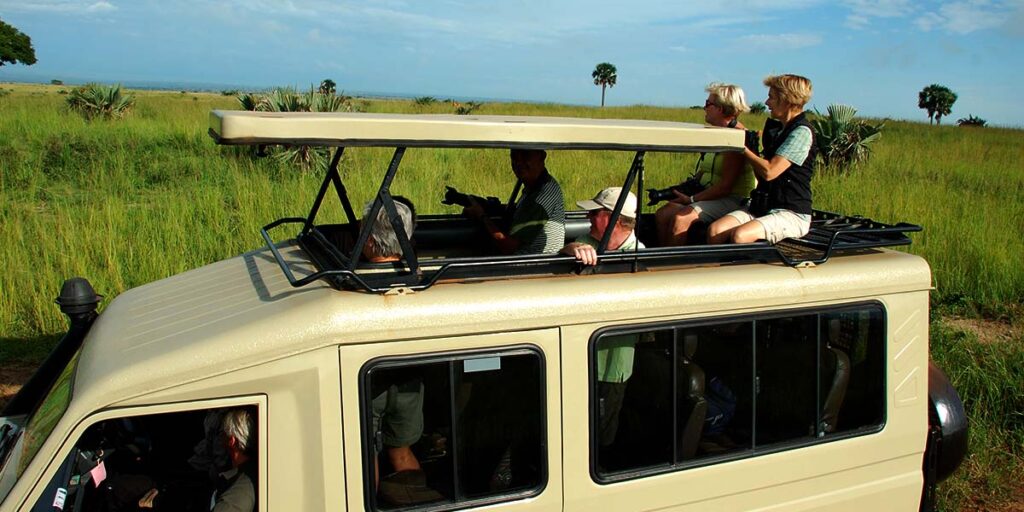
Tanzania is a country that epitomizes the allure of Africa, boasting diverse ecosystems, abundant wildlife, and stunning landscapes that captivate travelers from all over the globe.
The East African country boasts some of the most famous national parks in Africa – from the iconic Serengeti, home to the Great Wildebeest Migration, to the majestic Ngorongoro Crater and Mount Kilimanjaro, named after Africa’s tallest mountain peak. Tanzania is home to over 23 diverse gazetted national parks; all managed by the Tanzania National Parks Authority (TANAPA) and include game reserves and concessions.
Each national park offers a unique safari experience, whether you’re seeking thrilling game drives, birdwatching, or cultural encounters with local communities. Tanzania’s national parks provide an unparalleled gateway to the wonders of the African wilderness. Plan your escape to Tanzania and get lost in the raw beauty of some of these stunning national parks;
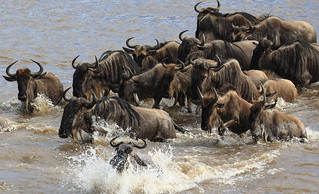
Serengeti National Park-Tanzania Beauty
Serengeti National Park is one of the most famous wildlife sanctuaries in the world. Located in northern Tanzania, Serengeti lies in the Tanzania Northern Safari Circuit and covers over 14,700 square kilometers.
Established in 1940, the park stretches into the Eastern Mara region, the Serengeti-Mara ecosystem of virgin savannah and boundless grass plains dotted by flat-topped acacia trees and kopjes. Renowned for the Great Migration, this UNESCO World Heritage Site sees over two million wildebeest, zebras, and gazelles traverse its vast plains each year in search for fresh grazing.
Serengeti’s golden savannahs are also well known for the highest concentration of predators including lions, leopards, and cheetahs, in addition to incredible Big Five sightings. You can enjoy year-round game viewing, but the dry season from June to October is ideal for spotting large migration herds and predators at their peak.
Ngorongoro Conservation Area
Nestled near the Serengeti in Ngorongoro district about 3 hours, west of Arusha, Ngorongoro national park lies in Tanzania’s renowned northern safari circuit and is a must-visit. Ngorongoro was established in 1959 as a conservation area for wildlife and the semi-nomadic Maasai population that resides in it.
However, the Centre piece of this UNESCO World Heritage site is the Ngorongoro Crater, the world’s largest intact volcanic caldera. Dubbed the “Garden of Eden,” the caldera forms a large 600-meter-deep floor that hosts over 30,000 animals – the highest density of wildlife in any given sanctuary in Africa. Thanks to its stunning landscape, encompasses towering lush crater walls, shimmering lakes, open grasslands, and acacia woodlands.
Travelers can enjoy seamless game viewing with Big Five sightings including elephants, lions, buffaloes, and black rhinos. Ngorongoro is also famous for hosting the calving season of the Great Migration between January and March, as thousands of wildebeest, zebras, and gazelles give birth on the lush plains.
The abundance of vulnerable young animals attracts predators like lions and cheetahs, making it an intense time for predator-prey interactions.
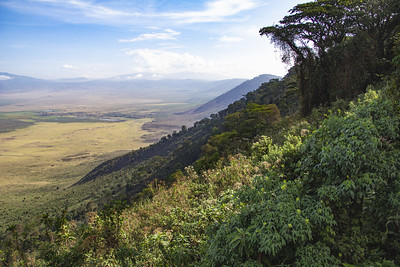
Kilimanjaro National Park-Tanzania Beauty
Dominated by Africa’s highest peak, Kilimanjaro National Park, in the Moshi region of Tanzania, is a magnet for trekkers and mountaineers. The UNESCO World Heritage Site is home to the majestic Mount Kilimanjaro, Africa’s highest peak and the tallest free-standing mountain above sea level in the world at 5,895 meters (19,341 feet).
Covering over 750 square kilometers, the park boasts diverse ecosystems, from lush rainforests and alpine meadows to barren volcanic landscapes and glaciers. Most adventurers flock to the park for its iconic climbing routes to its snow-capped summit (Uhuru), while others explore its serene forests or engage with the Chagga culture, native to the region.
Beyond the famed Mount Kilimanjaro, the park is also rich in wildlife diversity including buffaloes, elephants, leopards, and black and white colobus monkeys, as well as a variety of bird species.
A beacon for climbers and nature lovers alike, Kilimanjaro National Park offers a breathtaking blend of natural beauty and adventure, making it one of Tanzania’s most iconic destinations.
The park is located 75 kilometers from Kilimanjaro International Airport which is about an hour and a half drive. While it is a year-round safari destination, the park is best visited during the dry season from December to March and June to October. These months offer the best conditions for summiting and exploring Mount Kilimanjaro.
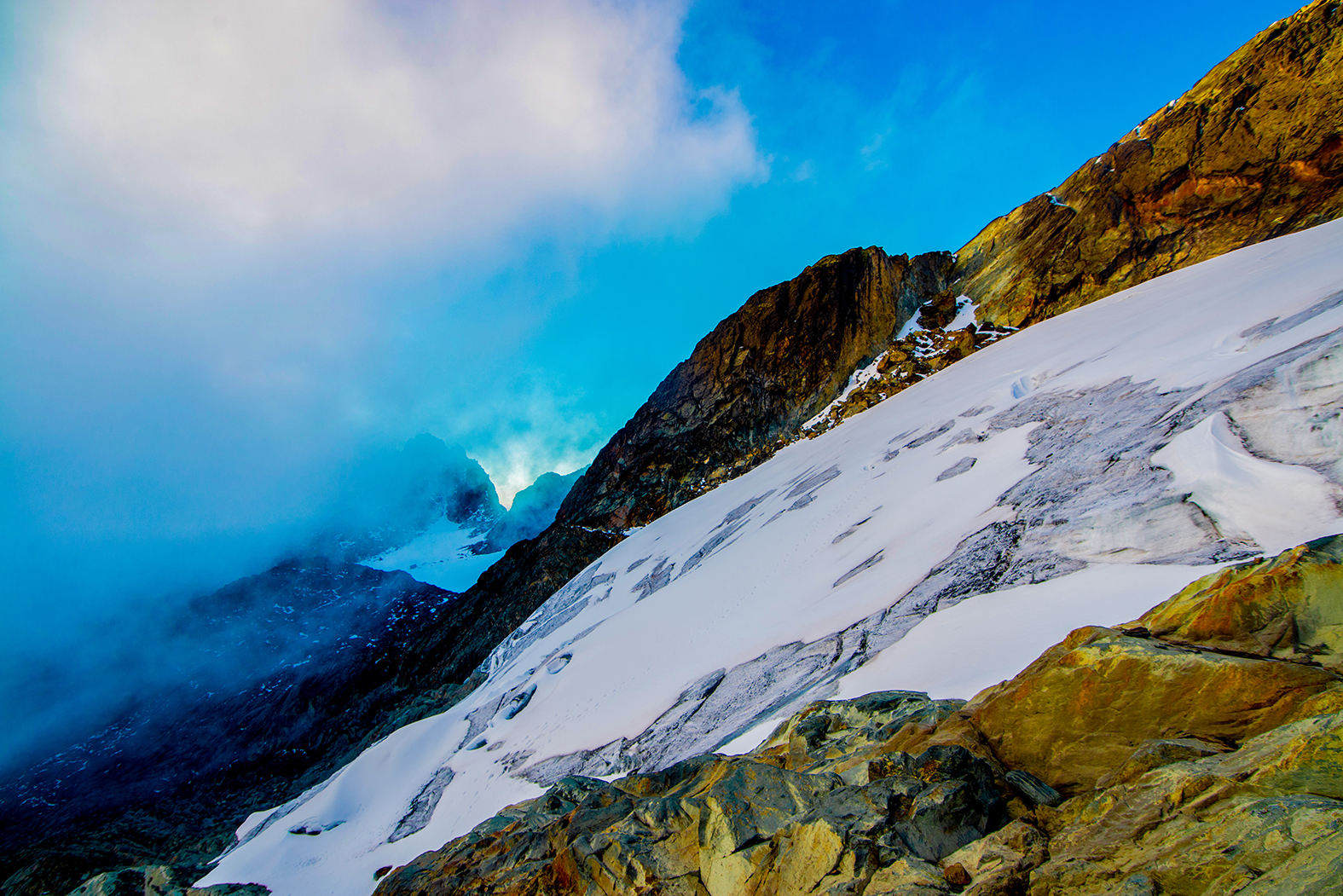
Tarangire National Park-Tanzania Beauty
Tarangire National Park is a hidden gem renowned for its breathtaking landscapes and abundant wildlife. The park lies in northern Tanzania in the Manyara region which is also part of the safari circuit. Spanning approximately 2,850 square kilometers, the park is defined by its iconic baobab trees, sprawling savannahs, and the Tarangire River, which serves as a vital water source for wildlife during the dry season. Tarangire is famous for its large elephant herds that lives in there clan, often numbering in hundreds, and diverse species like buffaloes, giraffes, gazelles, hartebeests, and wildebeests. The sheer density of predators such as lions and leopards also make it a prime location for game viewing.
Aside from classic game drives, travelers can experience walking safaris and cultural tours with local Maasai communities. Birdwatchers will appreciate the park’s diversity, with over 550 species recorded, including vibrant yellow-collared lovebirds and kori bustards. Tarangire’s tranquil ambiance and rich wildlife make it a must-visit destination for those seeking an intimate safari experience away from the crowds.
Lake Manyara National Park
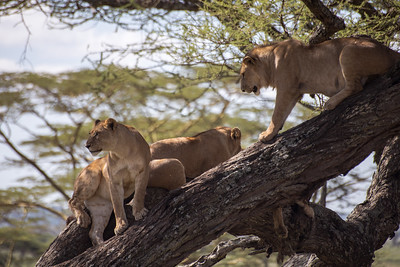
Lake Manyara National Park is a small but ecologically diverse park nestled in northern Tanzania, between the Great Rift Valley and the expansive Lake Manyara. Famous for its tree-climbing lions and flocks of flamingos, the park offers a scenic safari experience.
The park spans over 325 square kilometers, two-thirds of which is occupied by a striking alkaline lake that provides a vital habitat for thousands of flamingos and over 400 other bird species. Visitors to Lake Manyara National Park are captivated by its lush groundwater forests, expansive grassy plains, and dramatic escarpments of the Great Rift Valley.
Beyond the tree-climbing lions, the park is also home to large herds of elephants, giraffes, hippos, and baboons. A visit here promises remarkable safari experiences, with opportunities for game drives, boat rides, canoeing, and bird watching. Its accessibility, just 126 kilometers from Arusha, makes it a popular destination for travelers exploring the northern safari circuit in Tanzania.
Ruaha National Park-Tanzania Beauty
Ruaha National Park is one of Tanzania’s hidden gems, known for its rugged wilderness and high density of predators. Covering over 20,000 square kilometers, Ruaha National Park is Tanzania’s largest national park and offers an untouched wilderness teeming with biodiversity and dramatic landscapes.
The park lies in central to southern Tanzania and is part of the greater Ruaha-Rungwa ecosystem, home to one of Africa’s largest populations of elephants. The park’s varied terrain, featuring rocky escarpments, open savannahs, and baobab-studded plains, supports a rich array of wildlife, including lions, leopards, cheetahs, and rare species like wild dogs and sable antelope.
Ruaha is also a birdwatcher’s paradise, boasting over 570 bird species, including migratory and endemic birds. Known for its low visitor numbers, Ruaha provides an off-the-beaten safari experience making it a perfect destination for those seeking solitude and authentic wildlife encounters in Tanzania’s wild heart. The park is named after the Great Ruaha River, a lifeline for its inhabitants, which creates stunning seasonal contrasts between lush greenery and parched beauty.
Nyerere National Park (formerly Selous Game Reserve)
Spanning 30,893 square kilometers, Nyerere National Park is one of Africa’s largest wildlife reserves, located in south-east Tanzania, roughly 230 kilometers from Dar-es-salaam.
Formerly part of the Selous Game Reserve, the park is now a UNESCO World Heritage Site, celebrated for its pristine wilderness encompassing vast floodplains of the Rufiji River, which are dotted with oxbow lakes, swamps, and dense forests.
These habitats support several species, including large populations of elephants, lions, buffaloes, Maasai giraffes, and crocodiles. Nyerere is also home to endangered species such as the African wild dog and offers incredible birdwatching opportunities, with over 440 species recorded including the lapwings, African skimmers, and migratory birds between November and April.
Gombe Stream and Mahale Mountains National Parks
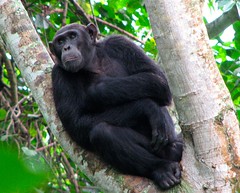
Gombe Stream and Mahale Mountains National Parks, located along the scenic shores of Lake Tanganyika in western Tanzania, are two of Africa’s most remarkable destinations for primate trekking and unique wildlife experiences.
Gombe Stream National Park is Tanzania’s smallest park and it gained global recognition through Dr. Jane Goodall’s pioneering chimpanzee research, which continues today. The park offers intimate encounters with habituated chimpanzees in a lush forest setting, complemented by the beauty of waterfalls and diverse birdlife.
Mahale Mountains, on the other hand, larger and more remote, is equally famous for its thriving chimpanzee population and dramatic landscapes, including verdant forests, rugged peaks, and white sandy beaches along Lake Tanganyika.
Both parks are accessible primarily by boat, adding to their allure as off-the-beaten-path destinations. Moreover, visitors to Mahale can also enjoy water sports including kayaking, snorkelling, fishing, and boat rides.
Mikumi National Park-Tanzania Beauty
Often referred to as a mini-Serengeti, Mikumi National Park offers expansive plains and abundant wildlife, including elephants, lions, and giraffes. Located in southeastern Tanzania near Morogoro, Mikumi National Park is the fourth-largest national park in the country, covering 3,230 square kilometers.
The park’s open landscapes make game viewing particularly rewarding, and its proximity to Udzungwa Mountains National Park allows for a combined itinerary of wildlife and hiking. The park boasts diverse ecosystems of open savannahs, miombo woodlands, and riverine forests, which are home to several species such as elephants, giraffes, zebras, and buffalo, along with predators like lions and leopards.
Mikumi is also famous for its hippo pools, where visitors can observe these animals up close. The park’s proximity to Dar es Salaam, just a four-hour drive, makes it an accessible and convenient destination for those looking to immerse in the beauty of Tanzania’s national parks.
Udzungwa Mountains National Park
Udzungwa Mountains National Park is a biodiversity hotspot and part of the renowned Eastern Arc Mountains. Covering 1,990 square kilometers, the park is famed for its dense tropical rainforests, dramatic peaks, and stunning waterfalls, such as the 170-meter Sanje Falls.
The park is a sanctuary for rare and endemic species, including the Sanje mangabey and Iringa red colobus monkeys, alongside an impressive array of over 370 recorded bird species. Udzungwa is a hiker’s paradise, offering trails that range from easy walks to challenging multi-day treks through breathtaking scenery. With no roads inside the park, it provides a uniquely immersive nature experience. The park lies in the Iringa region of Tanzania about a two-hour drive from Mikumi National Park and a six hours’ drive from Dar-es-salaam.
Saadani National Park-Tanzania Beauty
Located along Tanzania’s coastline, Saadani National Park is the country’s only wildlife sanctuary that borders the Indian Ocean, offering a unique blend of beach and safari experiences. Covering 1,100 square kilometers, the park is a haven for biodiversity with diverse habitats including savannahs, mangrove forests, and pristine beaches.
Get lost in the park’s enthralling wildlife species including elephants, giraffes, buffalo, and lions, as well as marine life such as dolphins and green turtles, which nest along its shores. The Wami River, winding through the park, is home to hippos, crocodiles, and vibrant birdlife, making boat safaris a highlight.
Saadani provides a serene yet thrilling escape where wildlife meets the sea, creating an unmatched adventure for nature and beach enthusiasts alike. Saadani National Park is about 3 to 4-hour drive from Dar-es-salaam.
Conclusion
Tanzania’s national parks offer something for every traveler, from legendary safaris in the Serengeti to secluded retreats in Saadani. Get lost in untamed Tanzanian beauty and indulge in exhilarating safari experiences including classic game drives, hot air balloons, guided safari walks, boat safaris, bush picnics, hiking, and cultural encounters to explore the country’s rich heritage. While Tanzania is a year-round safari destination, it is best to consider visiting during the dry seasons from June to October and December to early March which are the best times for wildlife viewing.