

Also known as the Mang’ati in Swahili, the Datoga are a semi-nomadic Nilotic speaking tribe living in the north-central Tanzania Karatu district of Arusha in the Singida and Manyara regions and are neighbors to the Hadzabe tribe. Since it is a nomadic group, it holds an incredible cultural importance to cattle and other herds such as goats, sheep, and donkeys. From these herds they obtain products such as meat, fat, blood, milk, hide, horns, dungs and tendons all having either a practical or ritual purpose.
Except nomadic pastoralism, the Datoga tribe also practice other subsistence activities such as farming, blacksmith, and wage-based labor. The Datoga hold a reputation for being fierce warriors and are famous for their black smith abilities that enables them to provide arrow heads to the Hadzabe hunters. They also make other items from copper and iron such as knives, hand hoes, bangles, earrings, necklaces, among others.
Just like other tribes such as the Masaai, the Datoga consider themselves to be the oldest tribe in Tanzania. This group is estimated to have a total population of about 8800 individuals divided into 7 tribes which are; the Bajuta, Gisamjanga, Barabayiiga, Tsimajeega, Rootigaanga, Buraadiiga and Bianjiida.
History of the Datoga
The Datoga are originally from Sudan but on their first movement they settled in the Serengeti area. While in Serengeti, they got into conflict with the Masaai residents of Serengeti who claimed that all cattle belong to them therefore started stealing the cattle that belonged to the Datoga leading to a war out break between the tribes. Upon defeat of the Datoga, they moved from Serengeti to the area around Lake Eyasi.
The Datoga Way of life
Traditionally the Datoga were polygamous in nature whereby the wealthy Datoga men would marry many wives from different clans and possess multiple households. This was to enable them access a wider range of grazing lands. However, in the recent years, men mostly marry one wife and this woman is often left to take care of the household when the man moves for labor.
Traditionally the Datoga built circular huts made of grass and woven branches and the walls of the huts covered in mud and a roof of bough. Their villages also had a rectangular base structure with a flat roof made of the same material. These structures served as meeting points for the Datoga men. The other structures in their villages are the shelters built for the herds. The villages were then enclosed by a fence made of branches and thorns.
In these communities, the wealthy households support poorer households through herd-sharing and other resource sharing.
Culture and traditions of Datoga
The prominent Datoga people have circular decorations of tattooing around the eyes and wear clothing which are the color of the reddish brown soil which enables them to blend with their natural environment. All the women wear a piece of woven cloth or a leather cape around their heads with metallic ornaments around their neck, arm, ear and ankles and the men wear Masaai blankets over their shoulders with either shorts or trousers underneath. The Datoga married women are distinguished from others by the special thin strips leather skirts that they wear.

Religious Beliefs
The Datoga believe in a god known as Aseeta. This is a powerful and hereditary deity who they communicate with through meditation to ancestral spirits that talk through diviners and these diviners can appeal to the deity to either bless or curse. Despite this belief, about 1% of the Datoga tribe practice Christianity.
Bungeda Ceremony in Datoga culture
The Datoga tribe hold the dead in high regards therefore carry out a yearly ceremony known as the Bungeda ceremony. While everyday people are buried in their compounds among their living relatives, a few elders from the community are buried in this communal ceremony of Bungeda. This ceremony is held to show respect to the dead as they are believed to become guardian spirits.
During this ceremony a cone-shaped mold is made out of mud and tree trunks and it is here that the deceased is laid to rest wrapped in cattle skin. Despite this practice, the Datoga have phobia for corpses therefore individuals who encounter dead bodies or women who have miscarriages are restricted from contacting other people for some period.
What to expect on your encounter with Datoga tribe
On your encounter with the Datooga tribe you will be taken through the history of these same nomadic people. You will get to know how they traditionary used to leave their nomadic and semi-nomadic life and how they have continued to transform over time. You will get to know all this through story telling. They will also sing and dance for you during your stay and you will be offered a chance to take part in their performance in case you wish to. You can also take chance in some of the popular activities that they perform regularly in their live.
Popular safari packages that can take you to Datoga tribe
[/vc_column_text][/vc_column][/vc_row]
10 Day Wildebeest and gorillas vacation safaris

Embark on a captivating journey through the heart of East Africa as we invite you to explore the enchanting landscapes, vibrant cultures, and rich biodiversity of Rwanda and Tanzania. This meticulously crafted 10-day itinerary promises an immersive experience, seamlessly blending the awe-inspiring encounters with gorillas
| TRIP DETAILS |
| REQUEST INFO |
6 Day Wildebeest and gorilla trekking safari
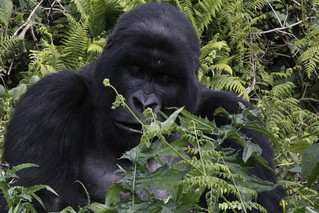
Book 6 Days Ngorongoro crater visit and Rwanda gorilla trekking to explore Tanzania & Rwanda on an Africa Safari experience tailored by Active African vacation the leading Safari operator in Uganda. The 6 Days Tanzania Rwanda Safari takes you to the great Ngorongoro crater reserve for an amazing wildlife experience.
| TRIP DETAILS |
| REQUEST INFO |
7 Day Rwanda-Tanzania vacation safari
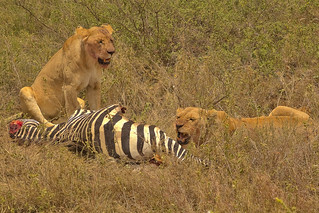
Depending on the degree of lodging, the time of year, and the particular parks and activities included a 7-day safari in Rwanda and Tanzania might have somewhat different costs. Along with activities to do in every park, below is a sample schedule including expected expenses for middle-class, budget, and luxury alternatives.
| TRIP DETAILS |
| REQUEST INFO |