

Primate Photographic Safaris
Primate Photographic Safaris Detailed Itinerary
Day 1: Arrival at UWEC for an Immersion Experience with Chimpanzees
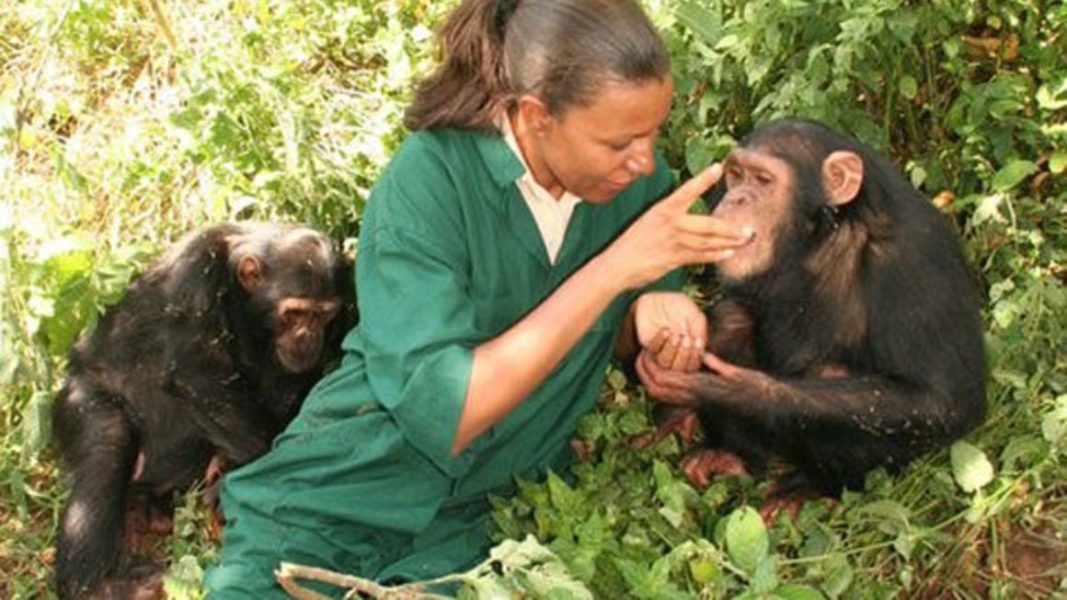 Day 2: Complete Day of UWEC Chimpanzee Monitoring and Care
Day 3: Travel to the Chimpanzee Sanctuary on Ngamba Island
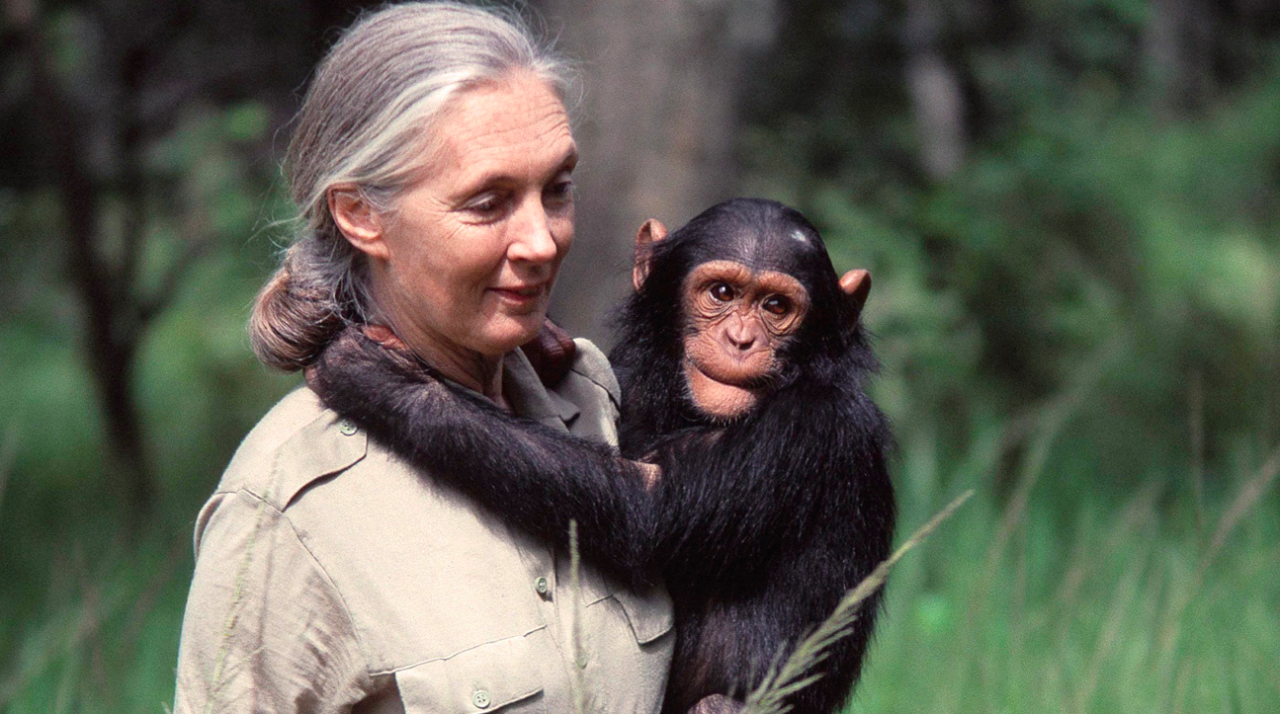 Day 4: Following in Dr. Jane Goodall’s Footsteps on Ngamba Island
Day 5: Travel to Kibale Forest National Park to Habitat Chimpanzees
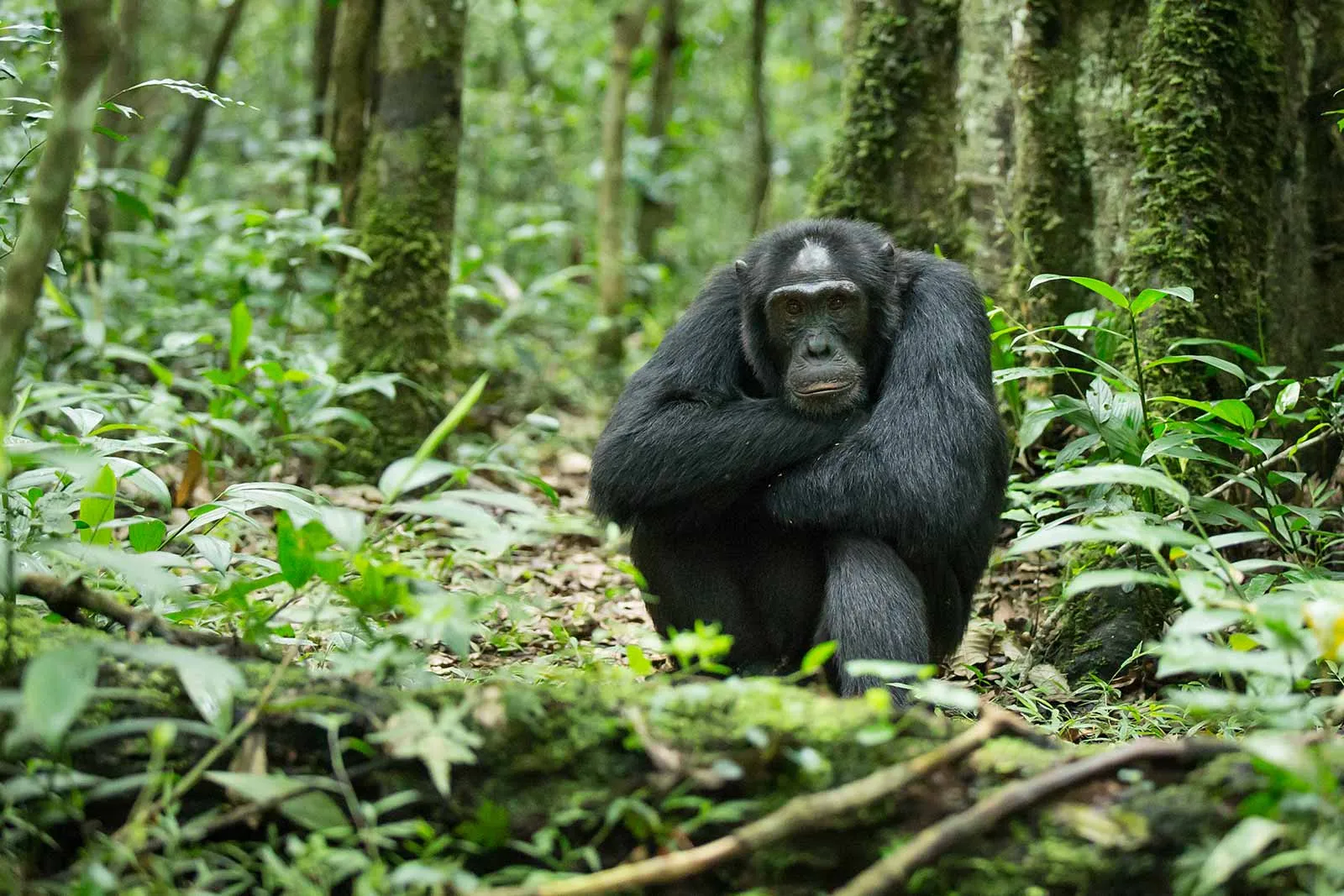 Day 6: Monitoring Chimpanzees and Transporting Them to Queen Elizabeth National Park
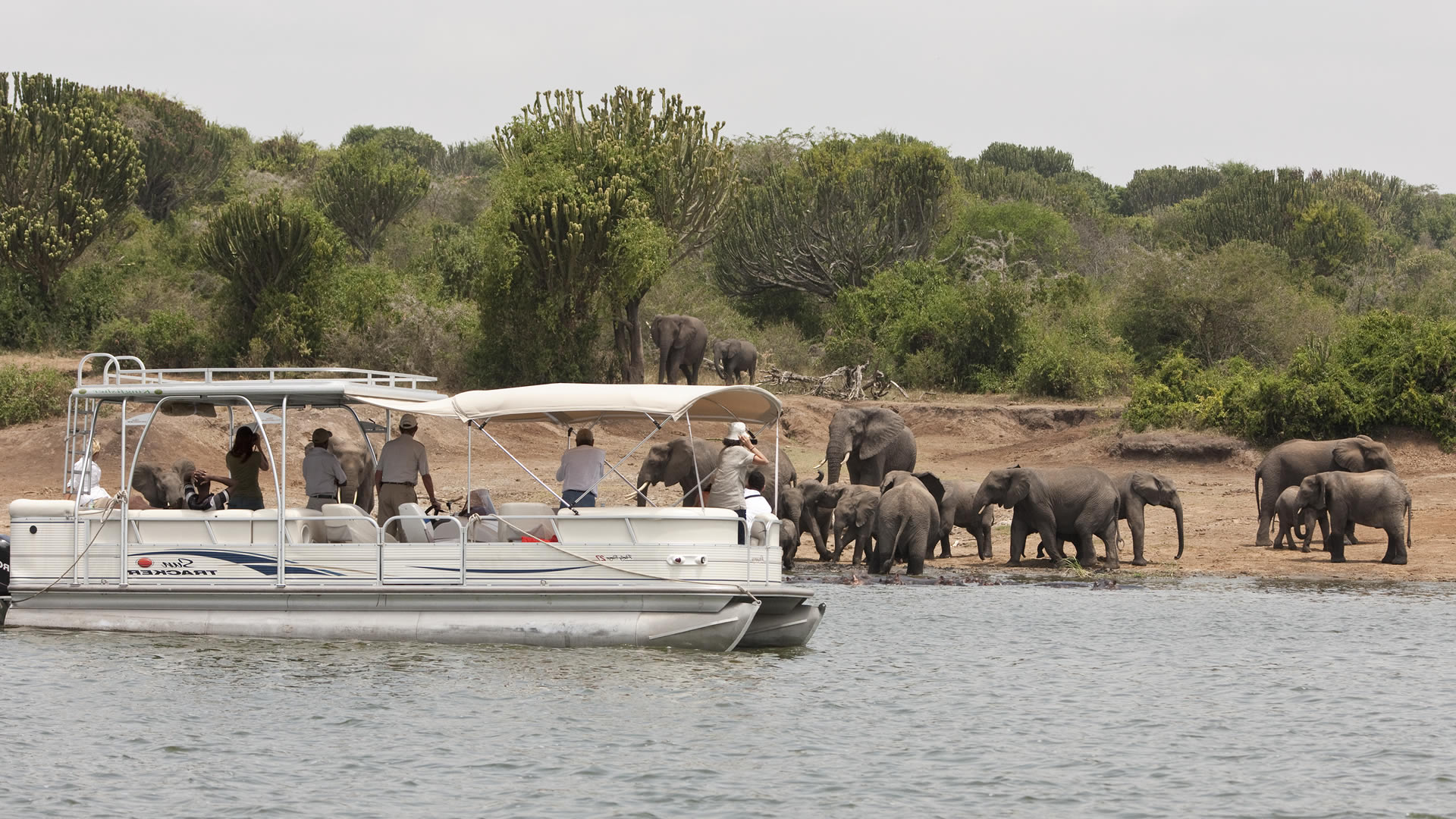
Day 7: Kazinga Channel Exclusive Boat Cruise
 Day 8: Travel to the Buhoma Sector of Bwindi Impenetrable National Park
Day 9: Trekking with Buhoma Gorillas and Traveling to Rushaga
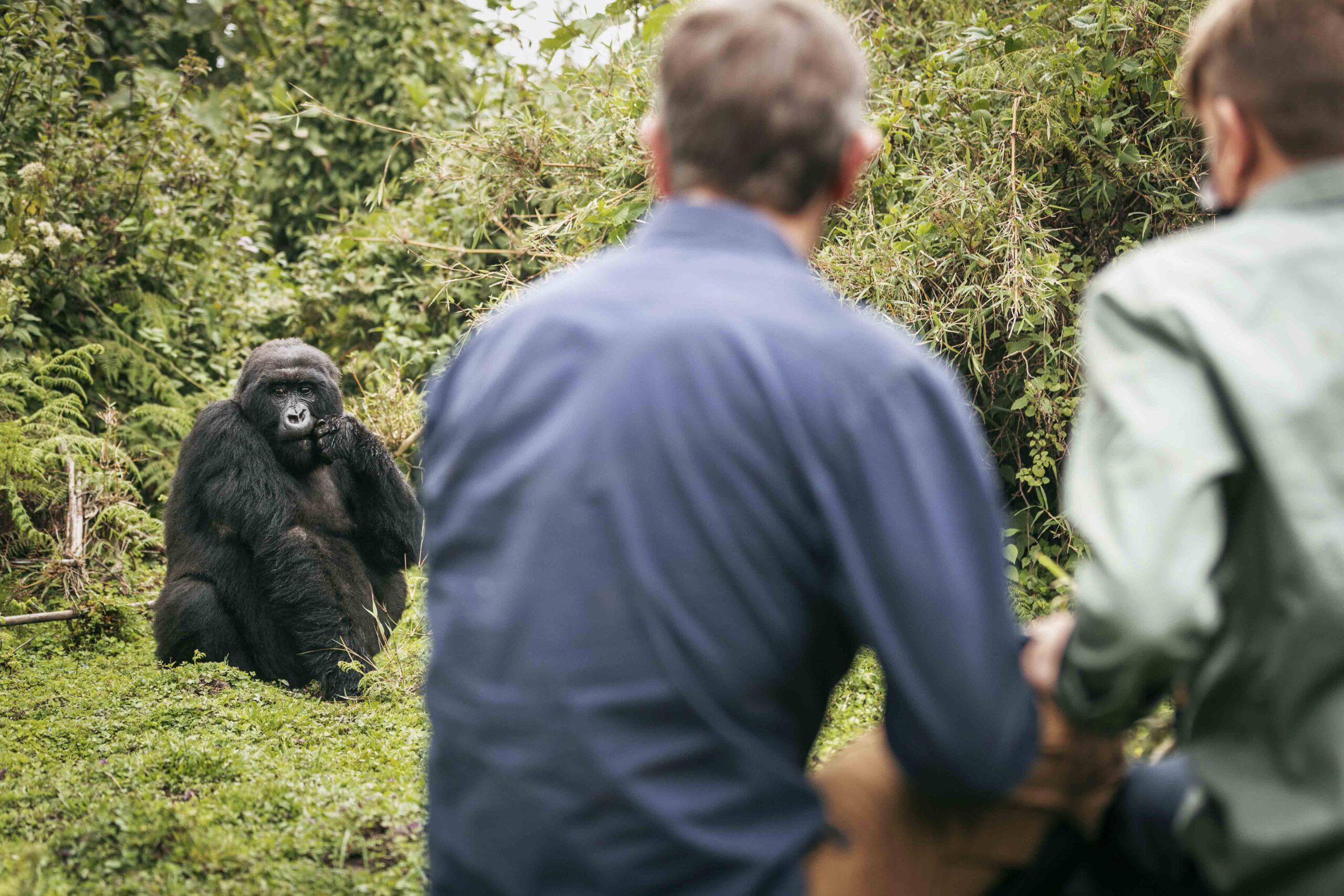 Day 10: Rushaga Gorilla Habituation Experience
Day 11: Takeoff from Kisoro Airport
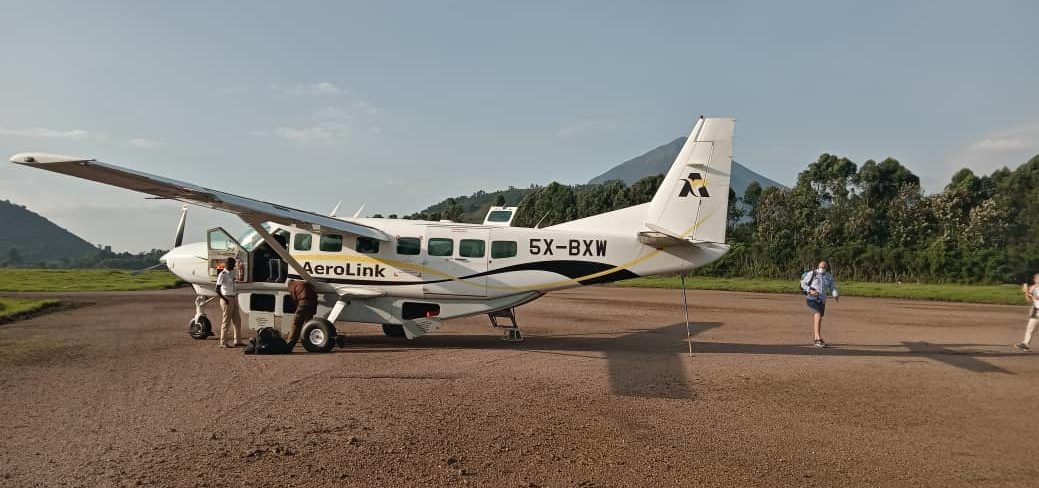 After a picturesque morning transfer to Kisoro Airstrip, you catch a 7:00 AM aircraft back to Entebbe to round out your trip. You consider the life-changing events of the previous days—moments of education, exploration, and significant contribution to the preservation of Africa’s great apes—as the plane soars above the volcanic highlands and wooded peaks.
FAQs About the Great Apes (Primates in Uganda)
1. Which great apes live in Uganda?
Uganda is home to two of the world’s great apes: mountain gorillas and chimpanzees. Mountain gorillas are found in Bwindi Impenetrable National Park and Mgahinga Gorilla National Park, while chimpanzees live in Kibale Forest, Budongo Forest, Kalinzu, and several conservation sanctuaries.
2. Where is the best place to see chimpanzees in Uganda?
Kibale Forest National Park is considered the best destination in East Africa for chimpanzee trekking due to its high population density and reliable sightings. Other excellent locations include Budongo Forest, Kalinzu Forest, Ngamba Island, and UWEC’s conservation programs.
3. How difficult is gorilla trekking in Uganda?
Gorilla trekking requires a moderate level of fitness. The terrain in Bwindi can be steep and forested, with thick vegetation and occasional mud, especially during rainy seasons. Trek duration varies from 1 to 6 hours depending on the location of the gorilla family on that day.
4. What is the difference between gorilla trekking and gorilla habituation?
Gorilla trekking allows guests one hour with a fully habituated gorilla family. Gorilla habituation (available only in Rushaga) allows up to four hours with a semi-habituated gorilla group, offering a deeper, more immersive experience ideal for photography and primate enthusiasts.
5. Are primate encounters safe in Uganda?
Yes. All primate encounters follow strict conservation guidelines. Rangers maintain safe viewing distances, and visitors receive briefings to ensure both human and animal safety. Following instructions and avoiding sudden movements ensures a smooth, respectful experience.
6. What is the best time of year to see primates in Uganda?
Primate safaris are good year-round, but the best conditions are during the drier months: June to September and December to February. Trails are more stable and visibility is better, though rainy seasons also bring lush forests and fewer crowds.
7. Are young children allowed on primate treks?
Most primate activities have age restrictions. Gorilla trekking requires a minimum age of 15, and chimpanzee trekking requires 12–15 years depending on the park. These rules help ensure safety and reduce risks of disease transmission to the primates.
8. How close can I get to gorillas or chimpanzees?
Uganda Wildlife Authority guidelines recommend staying at least 7 meters (about 23 feet) away from gorillas and chimpanzees. However, sometimes the primates move closer on their own, in which case visitors must remain still and allow rangers to manage the situation.
9. What should I bring for primate trekking in Uganda?
Essential items include sturdy hiking boots, long trousers, long-sleeved shirts, rain gear, gloves for gripping vegetation, insect repellent, a reusable water bottle, and a secure daypack. Photographers should bring extra batteries and waterproof protection for equipment.
10. How do primate tourism fees support conservation?
A significant portion of gorilla and chimpanzee permit fees funds anti-poaching patrols, ranger training, habitat protection, veterinary care, and community development projects. Local communities receive revenue shares, creating strong incentives to protect primate habitats and reduce human–wildlife conflict.
11. How many mountain gorillas are left in Uganda?
Uganda is home to roughly half of the world’s remaining mountain gorillas, with populations found in Bwindi Impenetrable National Park and Mgahinga. Recent conservation efforts have helped stabilize and slightly increase their numbers.
12. Can I photograph gorillas and chimpanzees during the trek?
Yes, photography is allowed, but flash is strictly prohibited as it can disturb the primates. Bringing a camera with good low-light performance, extra batteries, and protection against forest moisture is recommended for quality images.
13. How long do chimpanzee treks usually last?
Chimpanzee treks typically last 2 to 4 hours, depending on the troop’s location and movement. Chimpanzees move quickly, making the experience more dynamic than gorilla trekking, which is generally slower-paced.
14. What is the social structure of mountain gorillas?
Mountain gorillas live in family groups led by a dominant silverback male, followed by adult females, juveniles, and infants. Their tightly bonded social system is central to their survival and makes for deeply emotional encounters.
15. What threats do Uganda’s great apes face?
The main threats include habitat loss, poaching, human–wildlife conflict, disease transmission, and in some areas, pressure from agricultural expansion. Conservation organizations and tourism revenue play a major role in mitigating these challenges.
16. How do guides find gorilla and chimpanzee families each day?
Expert trackers begin at dawn to locate primate groups based on night nests, feeding trails, vocalizations, and known family movements. Guides then radio their position to trekking teams, ensuring reliable sightings for visitors.
17. Are lowland gorillas found in Uganda?
No. Uganda is home only to mountain gorillas. Lowland gorillas are found in the Democratic Republic of Congo and parts of Central Africa. However, Uganda does offer one of the most accessible mountain gorilla encounters in the world.
18. What is unique about the chimpanzees in Kibale compared to other regions?
Kibale chimpanzees are known for being highly habituated, offering some of the best and most consistent chimp sightings. The forest also supports multiple troops, allowing daily trekking without overcrowding.
19. Why is Bwindi Impenetrable Forest so important for primate conservation?
Bwindi is a UNESCO World Heritage Site and one of the most biologically diverse forests in Africa. It protects multiple gorilla families, numerous monkey species, and an enormous variety of plants and birds—making it a global conservation stronghold.
20. Can primates contract diseases from humans?
Yes. Primate species, especially gorillas and chimpanzees, are highly susceptible to human-born diseases such as flu and respiratory infections. This is why trekkers must keep distance, avoid visiting when sick, and follow strict health guidelines during treks.
Best Time to Go: January to December
Primate Photographic Safaris is designed to be enjoyed throughout the entire year, with each month offering unique conditions that shape the encounters, landscapes, and rhythm of travel in Uganda. From January to February, the country experiences relatively dry weather, making forest trails more predictable and primate movements easier to follow. The clearer skies during these months provide excellent visibility for both chimpanzee habituation in Kibale and gorilla trekking in Bwindi, creating ideal conditions for long hours in the field and meaningful photography.
As March and April unfold, the rain season begins to settle in, bringing heavier showers and greener, more vibrant forest canopies. Though the trails may become muddier and the trekking more physically demanding, this period offers a deeply atmospheric experience—misty mornings, dramatic forest scents, and fewer visitors on the trails. The lush environment creates a richer backdrop for primate photography and offers a quiet, immersive connection with nature.
May and June see the rains ease, transitioning into drier conditions that stabilize trekking paths and make wildlife spotting more predictable. Chimpanzee communities tend to remain closer to the forest floor for longer, and gorilla families move comfortably through dense feeding grounds. July and August represent one of the peak wildlife seasons in Uganda, with crisp mornings, clear forest light, and highly rewarding encounters. Demand is high, but the conditions are excellent for both chimpanzee and gorilla activities.
September and October bring a light second rainy period that refreshes the landscapes once more. Forests become beautifully saturated in deep greens and wildlife activity remains strong, especially for chimpanzees whose food sources increase during these months. Trekking conditions remain manageable, and sanctuaries such as Ngamba Island transition into cooler, more peaceful evenings.
November often presents intermittent rains, creating atmospheric trekking days and a quieter tourism season that appeals to travelers seeking solitude. December ushers in another dry window with pleasant temperatures and excellent trekking conditions, making it one of the most enjoyable periods for gorilla habituation and chimpanzee tracking. Throughout the year, Uganda’s equatorial climate ensures that primate experiences remain reliable, with each season offering its own character and emotional tone to the journey.
What to Pack for This Itinerary
Preparing for an itinerary that spans sanctuaries, tropical forests, lakeshore environments, and mountain rainforests requires thoughtful packing that ensures comfort, safety, and readiness for immersive wildlife experiences. Light, breathable clothing suitable for warm daytime temperatures is essential, yet you will also need warmer layers for cooler evenings, especially in Bwindi and Kibale where the altitude creates crisp nights and early mornings. Long-sleeved shirts and long trousers not only provide comfort but also protect your skin from insects and dense vegetation during forest treks. A waterproof jacket becomes invaluable during the rainy seasons and equally useful in the drier months when sudden showers can still appear across Uganda’s diverse microclimates.
Comfortable trekking boots with strong ankle support are crucial for navigating Kibale’s root-lined trails and Bwindi’s steep, occasionally slippery paths. Pairing them with moisture-wicking socks adds comfort for long trekking days. Gardening-style gloves or lightweight trekking gloves help you grip vegetation safely without scratching your hands as you move through thick undergrowth in Bwindi. A durable daypack allows you to carry essentials such as water, snacks, and personal items during treks, while a wide-brimmed hat or cap protects you from the equatorial sun during open-water moments like the Kazinga Channel cruise or the boat ride to Ngamba Island.
For sanctuary activities at UWEC and Ngamba, simple clothing that can get a bit dirty is ideal, especially during feeding or cleaning sessions with chimpanzees. Insect repellent, sunscreen, and a reusable water bottle become daily necessities throughout the entire itinerary. A small first-aid kit with personal medication ensures peace of mind on longer forest days. Cameras and binoculars enrich the experience, allowing you to document the incredible primate behavior and wildlife scenes along the way. Finally, lightweight evening wear and comfortable lodge attire provide the perfect balance between relaxation and preparation as you unwind after transformative days spent with Uganda’s great apes.